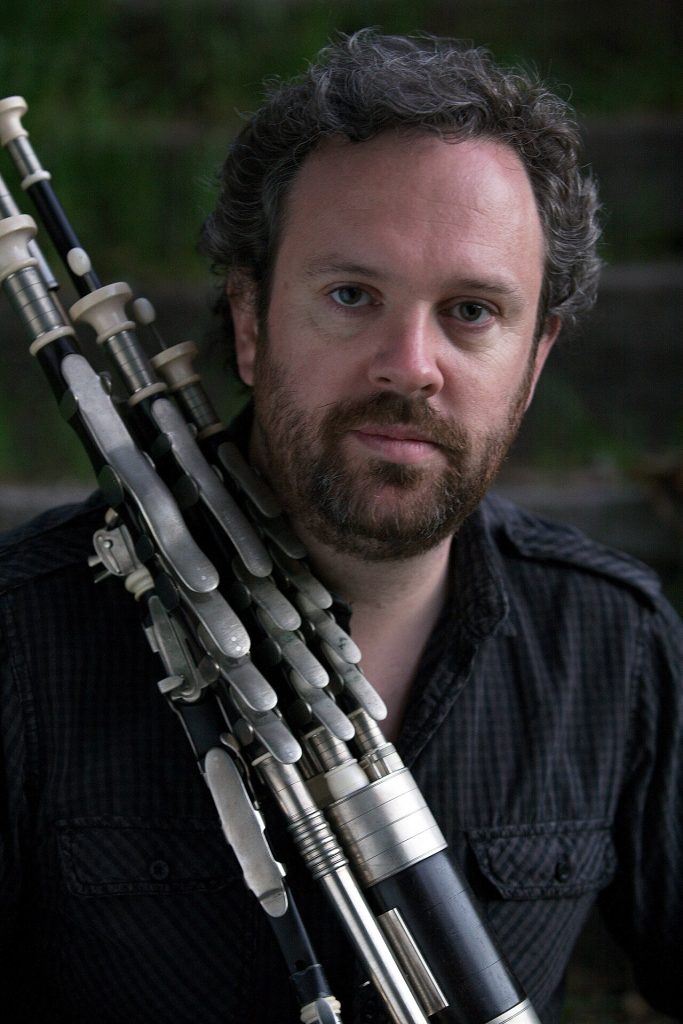
If the bodhrán is the heartbeat of Irish music, the uilleann pipes are its voice—capable of crying, sighing, and singing in ways no other instrument can match. Often called the Irish bagpipes, they’re far more complex than their Scottish cousins, played sitting down with a bellows under one arm and a chanter, drones, and regulators that together create layers of sound both haunting and deeply expressive.
Walk into a session in Clare or Galway, and if you’re lucky, you’ll hear them. The sound stops conversation. It fills the room. And it reminds you why this instrument has been at the heart of Irish music for centuries.
What Makes Uilleann Pipes Different
Unlike Highland bagpipes, which are blown by mouth and built for outdoor volume, uilleann pipes are inflated by a bellows strapped to the player’s elbow—uilleann means “elbow” in Irish. This allows for a softer, sweeter tone and gives the piper control over breath and phrasing impossible with mouth-blown pipes.
The instrument has three parts: the chanter, which plays the melody; the drones, which provide a continuous harmonic foundation; and the regulators, a set of keyed pipes that add rhythmic chords. Mastering all three at once takes years. Many pipers spend a lifetime with the instrument and still consider themselves students.
The range is remarkable—two full octaves, capable of everything from slow airs that sound like a human voice in lament to fast reels that drive dancers across the floor. The chanter rests on the player’s knee, and by lifting it slightly, a piper can cut off the sound completely, allowing for crisp ornamentation and staccato phrasing you won’t hear from any other bagpipe tradition.
A Living Tradition with Deep Roots
The uilleann pipes as we know them today emerged in the early 18th century, evolving from earlier Irish bagpipe forms. By the 1800s, they were the instrument of choice for traveling pipers who played at fairs, weddings, and wakes across the country.
The tradition nearly disappeared in the early 20th century. Emigration, poverty, and shifting musical tastes meant fewer young people took up the pipes. But a revival began in the 1960s and 1970s, led by pipers like Séamus Ennis, Liam O’Flynn, and Paddy Moloney of The Chieftains, who brought the sound to international stages and inspired a new generation.
Today, the pipes are thriving. Na Píobairí Uilleann, founded in Dublin in 1968, supports pipers through classes, archives, and events. You’ll find teachers across Ireland and in Irish communities worldwide. The craft of pipe making has also been revived, with makers in counties Clare, Wicklow, and beyond building instruments that can cost upwards of $8,000 and take years to complete.
Where to Hear Them
Uilleann pipes aren’t in every session—they’re too rare and too delicate for that—but certain spots are known for them. In Dublin, head to the Cobblestone in Smithfield, a pub famous for traditional music and a regular haunt for pipers. Hughes’ Bar in Chancery Street is another reliable spot.
In County Clare, pipers often appear at sessions in Doolin, Miltown Malbay (especially during the Willie Clancy Summer School each July), and Ennis. The Willie Clancy week is a pilgrimage for pipers from around the world—workshops, recitals, and sessions morning to night.
If you’re in Galway, check the schedule at Taaffes or Tig Coilí. In Cork, try Sin É on Coburg Street. And if you can’t make it to Ireland, many festivals abroad—from Milwaukee’s Irish Fest to the Catskills Irish Arts Week—feature uilleann pipers in performance and teaching settings.
Why They Matter
The uilleann pipes aren’t just an instrument—they’re a repository of memory, emotion, and identity. They carry slow airs passed down through generations, reels that make your feet move without thinking, and a tonal palette that can express joy, sorrow, defiance, and grace all in the span of a single tune.
To hear them played well is to understand something essential about Ireland: the marriage of discipline and feeling, tradition and innovation, the solitary and the communal. They demand everything from the player and give everything back.
If you’ve never heard uilleann pipes live, make it a priority on your next trip. Find a session, settle in with a pint, and listen. You’ll know the sound when you hear it—nothing else comes close.
Love stories like this? Subscribe to the Ireland Moments newsletter for a daily celebration of Ireland—its music, places, culture, and the moments that make it unforgettable.