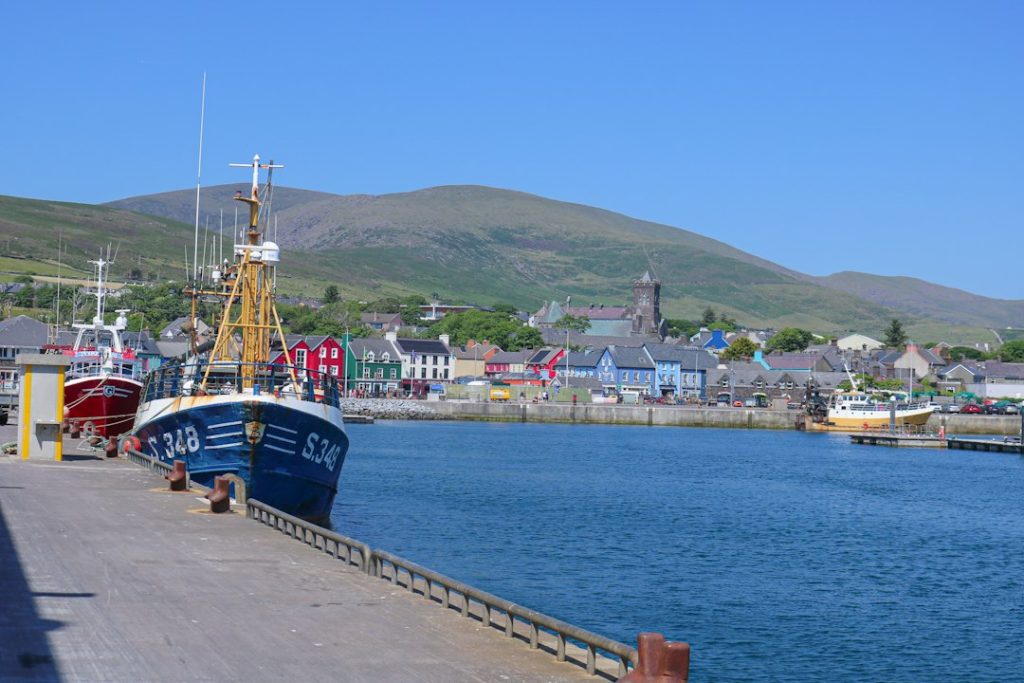
Some pubs announce themselves with noise and neon. O’Flaherty’s on Bridge Street in Dingle doesn’t need to. The stone front, the hand-painted sign, the curl of turf smoke from the chimney — it all whispers exactly what’s inside: an Irish pub that hasn’t changed much since Victoria was on the throne.
Step through the low doorway and you’re in a room that seats maybe twenty people if they’re friendly. Dark wood, worn flagstones, a fire that’s been lit every day since autumn arrived. Behind the bar, the Flaherty family pulls pints the way their great-grandfather did: slowly, deliberately, with the kind of patience that can’t be taught.
Four Generations, One Counter
O’Flaherty’s opened in 1892 when Dingle was still a working fishing port and tourism meant the occasional botanist looking for rare ferns on the peninsula. The pub served fishermen, farmers, and the occasional traveling salesman. It still does, though now they’re joined by hikers fresh off the Dingle Way and musicians who’ve heard about the sessions.
Fergus Flaherty runs the place now, the fourth generation to stand behind that counter. His great-grandfather built the bar from salvaged ship timber. His grandfather added the snug. His father installed the Guinness tap in 1953 and it’s never been replaced — just maintained, cleaned, and respected like the family heirloom it is.
Fergus will tell you the secret to a perfect pint isn’t the tap or the keg or even the glass. It’s time. “You can’t rush Guinness,” he says, setting a half-filled glass on the drip tray. “It knows when you’re in a hurry, and it punishes you for it.” He waits the full two minutes before topping it off, the cream head settling like fresh snow on black water.
Where the Music Happens Without a Schedule
There’s no sign outside advertising trad sessions at O’Flaherty’s. There’s no stage, no microphone, no cover charge. But on any given evening — especially Tuesday and Thursday, though sometimes Saturday and occasionally Wednesday if the mood strikes — musicians appear.
They don’t arrive together. A fiddler walks in around nine, orders a pint, sits in the corner. Twenty minutes later, a button accordion case appears. Then a bodhrán. By ten o’clock, there’s a full session happening in a space barely bigger than a suburban living room, and the music is so close you can hear the musician’s breath between phrases.
These aren’t performances. Nobody’s watching; they’re listening. The distinction matters. At O’Flaherty’s, the music isn’t entertainment — it’s conversation. “The Lark in the Morning” flows into “The Mason’s Apron,” and someone starts “The Bucks of Oranmore” and everyone joins because that’s how sessions work. Not because it was rehearsed, but because everyone knows the tune.
The Pint That Tastes Like It Should
Order Guinness at O’Flaherty’s and you’ll understand why people say it tastes different in Ireland. It does. The beer travels less distance from brewery to tap. The kegs turn over faster. The lines are cleaned religiously. But the real difference is the pour.
Fergus learned from his father, who learned from his father: fill three-quarters, let it settle until the surge has completely cleared, then top it off with a slow, steady hand until the head rises just proud of the rim. The result is a pint with a creamy head that leaves lace marks down the glass with every sip.
The pub also pours Murphy’s, Beamish, and a rotating selection of local craft beers from Dingle Brewing Company up the road. But most nights, most people are drinking Guinness. Not because it’s fashionable or Instagram-worthy, but because it’s what you drink in an Irish pub when you want the thing itself, not a story about it.
What You Won’t Find
O’Flaherty’s has no televisions. No trivia nights. No gastropub menu with deconstructed Irish stew and artisanal soda bread. There are crisps behind the bar — Tayto, King, and O’Donnells — and that’s the food offering. If you’re hungry, there are restaurants up the street. This is a pub for drinking and talking and listening to music, and that’s plenty.
The WiFi password isn’t posted anywhere because there is no WiFi. The bathroom is accessed through a door so low that anyone over six feet learns to duck instinctively. The whole place would fail a modern health and safety inspection on at least six counts, and thank God it’s grandfathered in under historical building protections.
This is what makes O’Flaherty’s matter. In an Ireland that’s modernizing rapidly, where Dingle now has artisan coffee roasters and boutique hotels, this pub remains defiantly, wonderfully itself. It’s not performing Irishness for tourists. It’s just being a pub, the way pubs have been for a hundred and thirty-four years.
If you’re heading to Dingle, find O’Flaherty’s on Bridge Street. Go in the evening. Order a pint. Sit by the fire if there’s space. If musicians show up, listen. If they don’t, talk to whoever’s sitting next to you. Either way, you’ll understand why some pubs become legends not through marketing, but through simply refusing to be anything other than exactly what they are.
Want more stories from Ireland’s finest pubs, wildest landscapes, and deepest traditions? Subscribe to the Ireland Moments newsletter — a daily celebration of the Emerald Isle, delivered straight to your inbox.