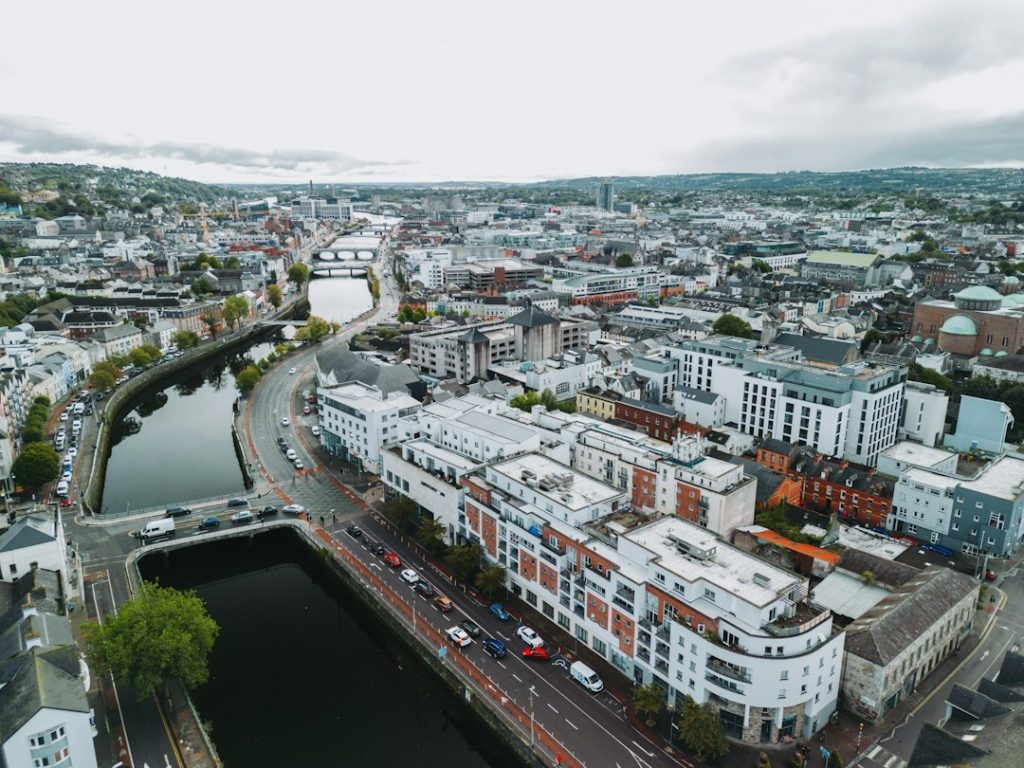
Cork City sits on an island in the River Lee, and that geography tells you everything about its character. Independent, proud, and a little bit apart from the rest of Ireland, Cork earned its nickname “the Rebel County” through centuries of standing its ground. But today, Cork is just as famous for its food markets, creative energy, and unmistakable accent as it is for its defiant history.
Walk through Cork and you’ll hear locals call it “the real capital,” and they’re only half-joking. This is a city that knows its worth, celebrates its heritage, and serves some of the finest food in Ireland while doing it.
The English Market: Ireland’s Finest Food Hall
At the heart of Cork sits the English Market, a covered Victorian market that’s been feeding the city since 1788. Step inside and you’re surrounded by the best of Irish produce: farmhouse cheeses from West Cork, fresh fish from the nearby coast, traditional tripe and drisheen (blood sausage), artisan breads, and mountains of locally grown vegetables.
The English Market isn’t a museum. It’s a working market where Cork families shop daily, where chefs from the city’s best restaurants come for ingredients, and where visitors can taste exactly what makes Irish food culture so rich. Stop at the Farmgate Café on the balcony overlooking the market floor for lunch—order the smoked fish chowder or a plate of local cheeses with brown bread, and watch the city go about its business below.
Queen Elizabeth II visited the English Market in 2011, and locals love to remind you that even royalty recognizes Cork’s culinary excellence.
The Bells of Shandon and the City’s Skyline
Climb the hill north of the river and you’ll reach St. Anne’s Church in Shandon, crowned by its famous pepper-pot steeple. The church bells are Cork’s most recognized symbol, immortalized in the song “The Bells of Shandon.” For around $10, you can climb the tower and ring the bells yourself—sheet music is provided for tunes like “Danny Boy” or “The Irish Rover.”
From the top of Shandon tower, Cork spreads out below: the Lee’s two channels curving around the city center, church spires punctuating the skyline, and the green hills of Cork harbor in the distance. The north side of the city, where Shandon sits, is traditionally working-class Cork, and the neighborhood still has the kind of community feel that’s disappeared from many Irish city centers.
The Rebel Spirit and Cork’s History
Cork’s rebel reputation isn’t just folklore. The city supported the losing side in multiple conflicts, from the Williamite wars to the Irish Civil War. Cork was burned by British forces in 1920 during the War of Independence, an event still remembered with anger and pride in equal measure.
But Cork’s independence isn’t just about conflict. It’s a cultural attitude—a healthy skepticism toward Dublin, a fierce local pride, and a creative scene that does things its own way. The Cork accent is unlike any other in Ireland, musical and distinct, and locals will tell you it’s the best English spoken anywhere.
Walk down St. Patrick’s Street, Cork’s main shopping thoroughfare, and you’ll notice something else distinctive: the street curves gracefully, following the path of an old channel of the Lee. Cork was built on marshland, and many streets still trace the city’s watery origins.
Where to Eat, Drink, and Experience Cork
Cork’s food scene extends far beyond the English Market. Ichigo Ichie earned Cork its first Michelin two-star restaurant, serving Japanese kaiseki cuisine in an unlikely but perfect Cork setting. Paradiso has been Ireland’s best vegetarian restaurant for decades. Market Lane and Elbow Lane serve modern Irish cooking that celebrates Cork ingredients.
For traditional pubs, head to the Mutton Lane Inn, Sin É on Coburg Street (with regular trad sessions), or the Long Valley for their famous sandwiches. The Franciscan Well Brewery, built on the site of an ancient well, serves craft beer in a beer garden that fills up on sunny evenings.
Don’t leave Cork without trying a breakfast blaa (a soft white roll) or visiting the Coal Quay Market on Saturday mornings, where the city’s alternative and international communities gather to trade vintage clothes, records, and global street food.
Cork shows you an Ireland that’s confident, creative, and deeply rooted in place. It’s a city that feeds you well, makes you laugh, and reminds you that the best of Ireland is often found off the beaten path—or in this case, on an island in the Lee.
Want more stories from Ireland’s cities, coasts, and countryside delivered to your inbox each morning? Subscribe to the Ireland Moments newsletter—a daily celebration of Ireland, its places, culture, and the moments that make the Emerald Isle unforgettable.