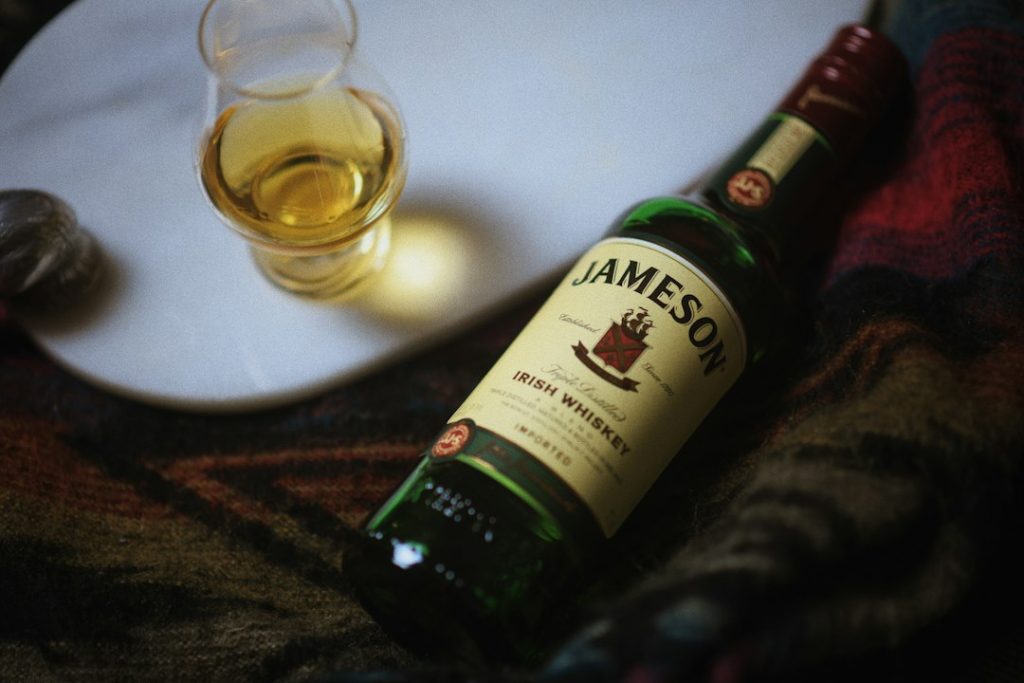
Irish whiskey isn’t just smooth—it’s the smoothest spirit in the world. While Scotch whisky carries peat and smoke, and bourbon brings sweetness and fire, Irish whiskey offers something altogether different: a clean, mellow character that’s won hearts from Dublin to Detroit and everywhere in between.
The secret lies in tradition, technique, and time. Ireland’s whiskey makers have been perfecting their craft for over a thousand years, and what they’ve created is a spirit that goes down easy but carries depth you can spend a lifetime exploring.
The Triple Distillation Difference
Most whiskey around the world is distilled twice. Irish whiskey? Three times.
That extra pass through the copper pot still removes more impurities and harsh flavors, leaving behind a lighter, cleaner spirit. The result is whiskey that doesn’t burn on the way down—it glides. You taste honey, vanilla, fruit, and grain instead of raw alcohol heat.
Walk into the Old Midleton Distillery in County Cork, and you’ll see the largest pot still in the world—a 31,618-gallon copper giant that once produced whiskey for Irish distillers before the industry consolidated. Today, the working Midleton distillery nearby produces Jameson, Redbreast, and Powers, all triple-distilled and all unmistakably Irish.
Up north in County Antrim, Bushmills has been legally distilling since 1608, making it the world’s oldest licensed whiskey distillery. Their triple-distilled single malt carries notes of honey and vanilla that prove smoothness doesn’t mean boring—it means balanced.
Unpeated and Unfiltered Tradition
Unlike Scottish whisky, which often uses peat-smoked barley, Irish whiskey traditionally uses unmalted and malted barley dried in closed kilns. No smoke. No peat. Just pure grain character.
This gives Irish whiskey its trademark clean flavor. When you sip a glass of Redbreast 12 Year Old, you’re tasting sherry cask spice, pot still oils, and fruit—no campfire required.
Irish distillers also pioneered the use of both malted and unmalted barley in a single pot still, creating a style called single pot still whiskey that’s entirely unique to Ireland. It’s richer and spicier than single malt, with a creamy texture that coats your palate. Try a glass of Green Spot or Yellow Spot, and you’ll understand why this style nearly went extinct in the 20th century—and why whiskey lovers fought to bring it back.
From Five Distilleries to Fifty
In the 1980s, Ireland had just two working distilleries. Whiskey production had collapsed after Prohibition, Irish independence, and shifting tastes nearly killed the industry.
But Irish whiskey has roared back. Today, there are over 40 distilleries operating across the island, from Teeling in Dublin’s Liberties to Dingle on the Wild Atlantic Way. Small craft distillers are experimenting with cask finishes, heritage grains, and innovative aging techniques while respecting the triple-distilled tradition that defines the category.
At the Jameson Distillery Bow St. in Dublin, you can tour the original site where John Jameson first distilled in 1780, then compare whiskeys in a guided tasting. A few miles away, Teeling became Dublin’s first new distillery in over 125 years when it opened in 2015, bringing whiskey-making back to the heart of the city.
Down in West Cork, the West Cork Distillers are producing single malt and blended whiskey in one of Ireland’s most scenic corners, proving you don’t need to be in the Golden Triangle of Midleton-Cork-Cobh to make world-class spirit.
How to Drink It
Irish whiskey is forgiving. Sip it neat to appreciate the craft. Add a drop of water to open up the flavors. Pour it over ice on a warm evening. Mix it into an Irish Coffee with brown sugar, cream, and strong coffee for the ultimate nightcap.
Start with a blended whiskey like Jameson or Tullamore D.E.W. if you’re new. Move to single pot still expressions like Powers John’s Lane or Redbreast 12 for more complexity. Explore single malts from Bushmills, Tyrconnell, or Glendalough if you want fruit and finesse.
A bottle of decent Irish whiskey starts around $30 to $40, with premium aged expressions running $60 to $150. Given the smoothness and versatility, it’s some of the best value in the spirits world.
Whether you’re raising a glass in a snug in Donegal or pouring a dram at home, Irish whiskey connects you to centuries of craft, survival, and comeback. It’s a spirit that never forgot where it came from—and never stopped getting better.
Want more stories from the heart of Ireland delivered to your inbox? Subscribe to the Ireland Moments newsletter—a daily celebration of Ireland’s places, culture, music, food, and the moments that make the Emerald Isle unforgettable.