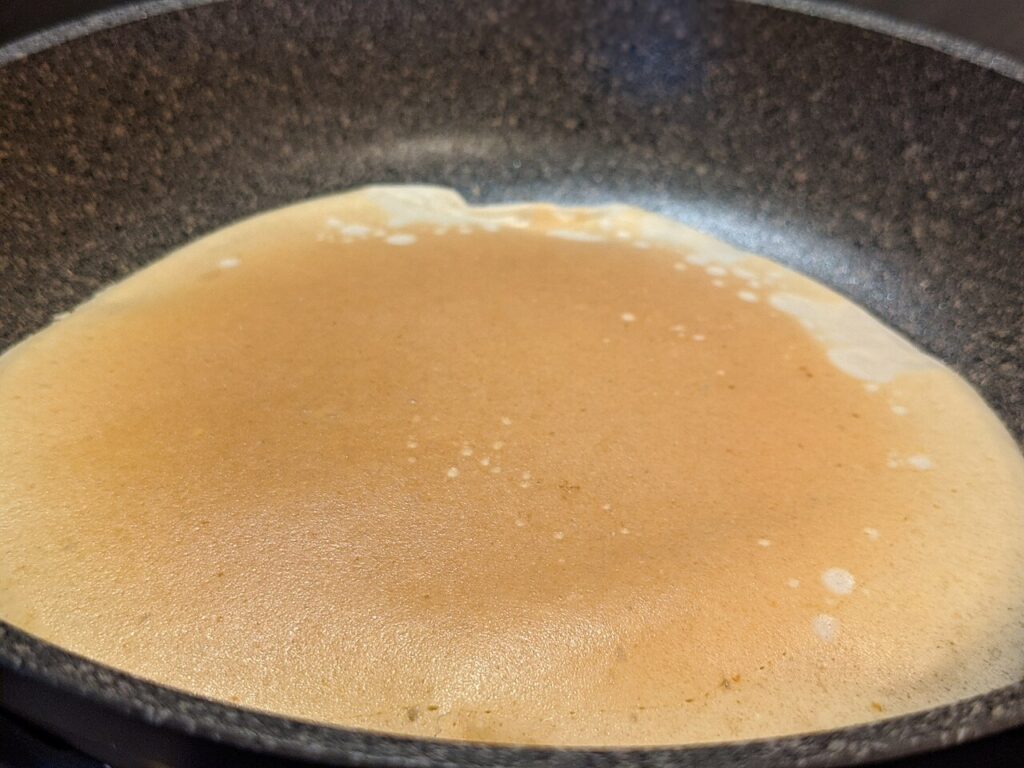
There’s a saying in Ireland: “Boxty on the griddle, boxty in the pan, if you can’t make boxty, you’ll never get a man.” While the matchmaking stakes may have changed, the affection for this humble potato pancake hasn’t. Boxty—a crispy, golden disc made from grated raw potato, mashed potato, flour, and buttermilk—represents everything great about Irish cooking: simple ingredients transformed into something deeply satisfying.
Unlike its cousin the potato cake, which uses only mashed potato, boxty combines raw and cooked potato to create a unique texture that’s both tender and substantial. The result is a pancake with lacy, crispy edges and a soft, almost creamy center that’s been warming Irish kitchens for centuries.
The Northwest Tradition
Boxty’s heartland is the northwest—particularly counties Leitrim, Cavan, Fermanagh, and Donegal. Here, the dish evolved as a way to stretch the potato harvest and feed large farming families. The name likely comes from the Irish “arán bocht tí,” meaning “poor-house bread,” though there’s nothing poor about the flavor.
Traditional preparation involved grating raw potatoes by hand on a tin grater, squeezing out the starch-laden water through a cloth, then mixing the grated potato with leftover mashed potato, a bit of flour, and buttermilk or sour milk. The mixture was shaped into cakes and cooked on a griddle or bastable pot over the open fire.
In Leitrim, families prepared boxty for Shrove Tuesday and Halloween, making it a celebration food as much as an everyday staple. Each household had its own ratio—some preferring more raw potato for extra crispness, others adding more mashed for a softer texture.
Three Ways to Make Boxty
Traditional Irish cooks recognize three distinct styles of boxty, each with its devoted followers. Boxty pancakes—the most common version—are cooked on a griddle or skillet like American-style pancakes, achieving those prized crispy edges. Boiled boxty involves wrapping the mixture in cloth and boiling it like a dumpling, then slicing and frying the cooled loaf. Baked boxty goes into a loaf tin and emerges as a golden bread that’s sliced thick and fried in butter.
The griddle version remains most popular, particularly served for breakfast alongside bacon, eggs, and black and white pudding. The key is getting your pan hot enough that the edges caramelize and crisp while the center cooks through without burning.
From Farmhouse to Fine Dining
Boxty nearly faded from Irish tables in the mid-20th century as processed foods became fashionable and old dishes seemed outdated. But the food renaissance that swept Ireland over the past few decades brought boxty roaring back. Today, you’ll find it everywhere from traditional cafes to upscale restaurants reimagining Irish classics.
The Boxty House on Dublin’s Temple Bar has been serving variations since 1992, stuffing boxty pancakes with everything from bacon and cabbage to smoked salmon. In Drumshanbo, County Leitrim, the village even hosts an annual Boxty Festival celebrating the dish with cooking competitions and tastings.
Modern chefs have embraced boxty’s versatility. It appears as a base for poached eggs at weekend brunch, wrapped around slow-cooked beef for Sunday dinner, or served alongside fresh oysters as a creative twist on traditional accompaniments. Some restaurants offer miniature boxty with smoked mackerel and crème fraîche as an appetizer, proving this farmers’ food translates beautifully to fine dining.
Making It at Home
Boxty is remarkably forgiving for home cooks. You’ll need equal parts grated raw potato and mashed potato—about two cups of each for a family batch. Add a cup of all-purpose flour, a teaspoon of salt, and enough buttermilk to create a thick, spoonable batter. Some cooks add a pinch of baking soda for extra lift.
The critical step is squeezing excess moisture from the grated potato through a clean kitchen towel—this prevents soggy boxty. Heat a cast-iron skillet or griddle with plenty of butter, drop spoonfuls of batter, and cook until golden brown on both sides, about four minutes per side. The smell alone will transport you to an Irish farmhouse kitchen.
Serve boxty hot with more butter melting on top, perhaps a dollop of sour cream, or go traditional with rashers and eggs. Some families dip it in sugar, others in gravy. There’s no wrong way to enjoy it.
Whether you’re connecting with Irish roots, exploring traditional recipes, or simply looking for a new way to celebrate the potato, boxty delivers comfort in every crispy, tender bite. It’s proof that the best Irish food doesn’t need fancy ingredients—just good technique and respect for tradition.
Love discovering Ireland’s food traditions and hidden gems? Subscribe to the Ireland Moments newsletter for a daily celebration of the Emerald Isle—from legendary dishes to the stories that make Ireland unforgettable.