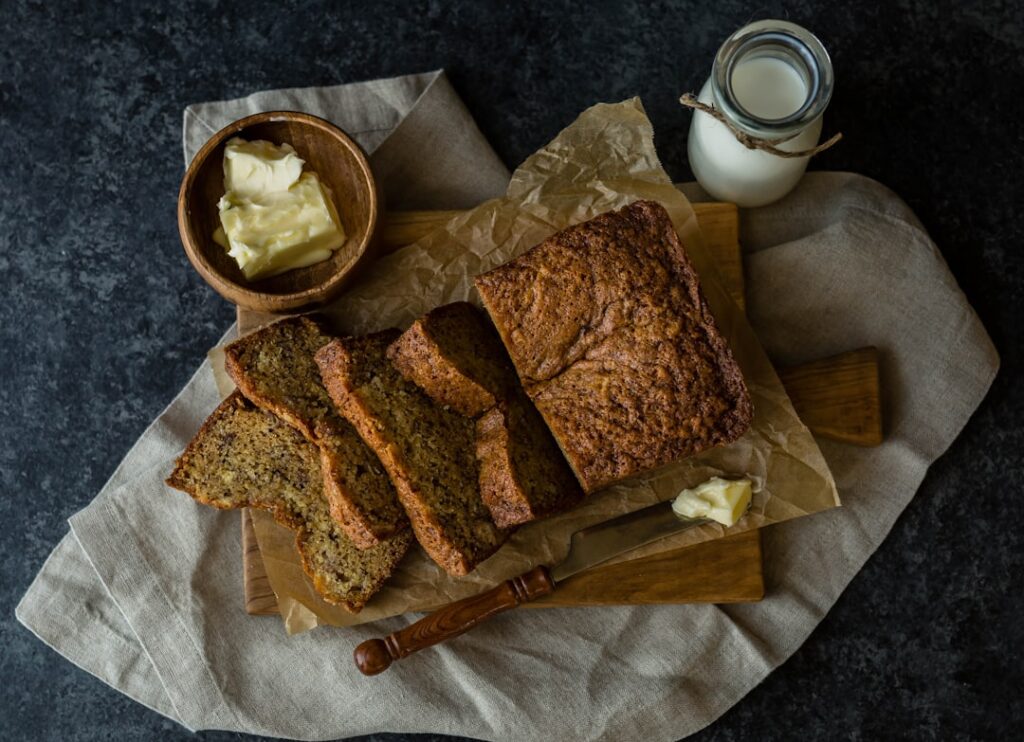
Irish butter isn’t just a breakfast staple — it’s a centuries-old craft woven into the fabric of Irish culture. The deep golden color, the rich flavor, and the creamy texture that sets Irish butter apart aren’t accidents. They’re the result of lush pastures, traditional methods, and a respect for the land that goes back thousands of years.
Long before refrigeration, the Irish were masters at preserving butter in the most unexpected way: burying it in peat bogs. Archaeologists have discovered containers of “bog butter” — some over 3,000 years old — perfectly preserved in the cool, anaerobic conditions of Ireland’s wetlands. While we can’t say it would taste great today, these discoveries reveal just how central butter was to Irish life, economy, and even ritual.
Why Irish Butter Tastes Different
The secret starts in the fields. Irish dairy cows graze on grass for most of the year, thanks to the island’s temperate climate and abundant rainfall. This grass-fed diet produces milk higher in beta-carotene, which gives Irish butter its characteristic yellow hue and a flavor profile that’s noticeably richer and more complex than grain-fed alternatives.
Traditional Irish butter is also churned differently. Many artisan producers still use slower, small-batch methods that develop deeper flavor and a silkier texture. The milk is often cultured before churning, adding a subtle tanginess that elevates everything from brown bread to boxty.
Creameries and Farms You Can Visit
If you want to see Irish butter making in action, several working creameries and heritage sites welcome visitors. The Butter Museum in Cork City sits in the heart of what was once Europe’s largest butter market. Housed in the original Butter Exchange building, the museum tells the story of Ireland’s butter trade, from medieval times through the Victorian era when Cork Butter was stamped and shipped around the world.
In County Kerry, Glenilen Farm near Drimoleague offers tours where you can watch traditional butter churning and sample their award-winning products. Their butter is made from the milk of their own grass-fed herd, and you’ll taste the difference immediately — creamy, golden, and so fresh it barely needs anything else on warm soda bread.
Up in County Donegal, the Crolly Dolls Creamery keeps traditional methods alive, producing small batches of cultured butter that local chefs swear by. While tours aren’t always available, their products appear at farmers’ markets across the northwest, and they’re worth seeking out.
Bringing Irish Butter Into Your Kitchen
You don’t need to visit Ireland to experience great Irish butter — Kerrygold, Ornua, and other brands are widely available internationally. But if you’re in Ireland, visit a farmers’ market and ask for local, small-batch butter. Many producers sell directly, and the flavor of truly fresh, artisan Irish butter is something you won’t forget.
Try it the Irish way: slathered thick on a slice of warm wheaten bread, melted over colcannon, or whisked into champ. Use it in baking — Irish butter makes flakier scones and richer shortbread. And if you’re feeling adventurous, try making your own. All you need is fresh cream (preferably Irish, grass-fed) and a jar. Shake until the butterfat separates, drain the buttermilk, and you’ve just made butter the way it’s been done for millennia.
Irish butter carries the taste of green fields, Atlantic rain, and generations of craft. Whether you’re spreading it on toast in Dublin or discovering it for the first time halfway around the world, you’re connecting with one of Ireland’s most delicious and enduring traditions.
Want more stories celebrating Ireland’s food, heritage, and culture delivered to your inbox? Subscribe to the Ireland Moments newsletter — a daily celebration of Ireland, one story at a time.