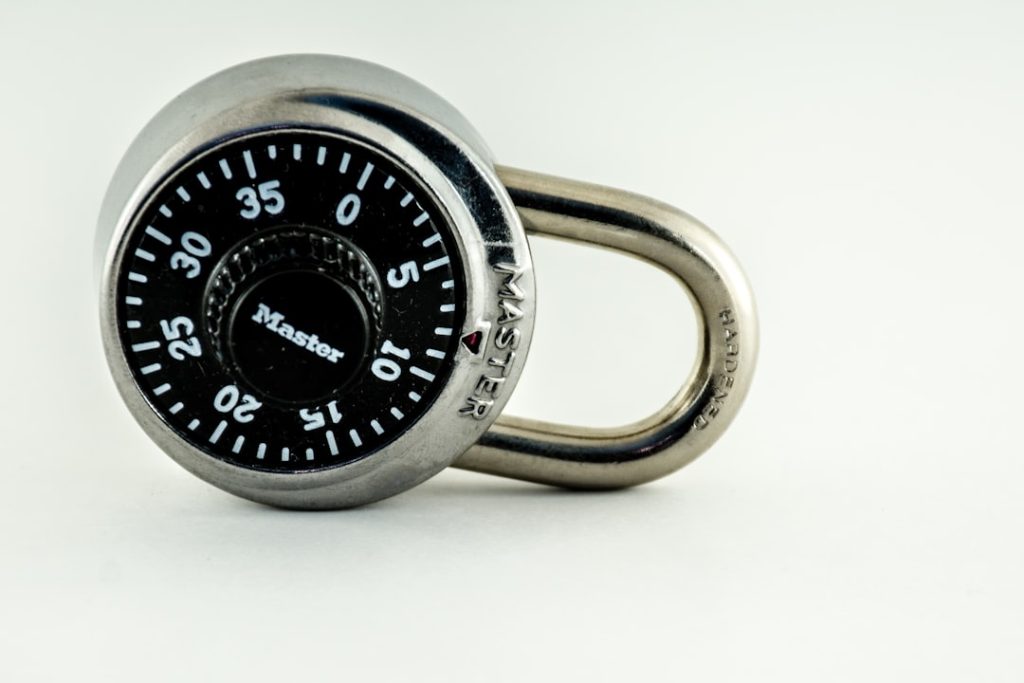
There’s a moment in certain Irish pubs, usually well past official closing time, when the front door gets locked, the main lights dim, and something special begins. This is the lock-in—a tradition as Irish as the music that often accompanies it, and one of the most authentic experiences you can stumble into in Ireland.
What Exactly Is a Lock-In?
A lock-in happens when a publican decides to keep serving after official hours to a select group of patrons—usually regulars, musicians, or travelers who’ve earned their place through good conversation and respect for the house. The front door is locked, not to keep people in, but to keep the outside world out. What follows is an evening that belongs entirely to those present.
It’s not something you can book or plan. Lock-ins happen organically, born from the right mix of people, music, and the publican’s mood. You might be the only visitor in a room full of locals who’ve been gathering every Thursday for twenty years, or you might be one of a dozen strangers who happened to arrive on the right night.
In counties Clare, Kerry, and Galway especially, lock-ins remain part of pub culture. Places like An Droichead Beag in Dingle, or small establishments in the villages around Loop Head, are known among those who know to sometimes stretch the evening when the music is good and the craic is better.
The Music Changes After Midnight
During regular hours, a trad session follows certain rhythms—sets of jigs and reels, familiar tunes that welcome listeners and dancers alike. But after the lock-in begins, the music often shifts. Players pull out the slow airs they’ve been saving, the sean-nós songs passed down through families, the obscure tunes they learned from recordings made in kitchens decades ago.
The pace slows. There’s more talk between sets. Someone might tell the story behind a tune—how “The Bucks of Oranmore” was actually written by a piper from Galway, or why a particular reel is never played in certain counties. A fiddler might teach a phrase to a younger player, repeating it until the ornamentation sits just right.
This is when you hear the difference between performance and tradition. The music isn’t for tourists or tips—it’s for the room, for the players themselves, for the continuation of something that matters.
The Unwritten Rules
Lock-ins have etiquette. You don’t ask for one—that’s the fastest way to ensure it won’t happen. You don’t take photos or post on social media in real-time. The publican is taking a risk by extending hospitality beyond legal hours, and discretion is the currency of trust.
If you’re invited to stay, buy a round. Listen more than you talk. If there’s music, don’t request songs or interrupt between tunes. If you’re offered a song yourself and you know one, sing it without apology—this is one place where your voice doesn’t need to be perfect, only sincere.
Leave when it feels right, not when you’re exhausted. The Irish goodbye—slipping out quietly with a nod—is perfectly acceptable here. These nights can stretch until three or four in the morning, but there’s no prize for outlasting everyone.
Where Lock-Ins Still Happen
You won’t find them advertised, but certain pubs maintain the tradition. In West Cork, small establishments in Castletownbere and Ballydehob occasionally keep the door locked and the music flowing. Around Lisdoonvarna and Ennistymon in County Clare, particularly during festival season, the right session can extend well into the small hours.
In Connemara, pubs in An Spidéal and Letterfrack have been known to host lock-ins when the musicians are local and the conversation worth preserving. Even in Dublin, a handful of old-style pubs in neighborhoods like Stoneybatter or Phibsborough maintain the practice, though they’re increasingly rare.
The best advice? Find a pub where traditional music happens naturally, not on a schedule. Become a regular for a few nights running. Show respect for the music and the people making it. And if the publican happens to walk to the door around closing time and turn the lock while nodding at you to stay put, count yourself fortunate.
These moments—the locked door, the dimmed lights, the music that plays only for those present—represent something Ireland does better than anywhere else: the art of making strangers feel like they’ve come home, if only for one perfect, illegal, unforgettable night.
Want more stories from the heart of Irish culture delivered daily? Subscribe to the Ireland Moments newsletter—a daily celebration of Ireland, from its music and landscapes to the traditions that make the island unforgettable.