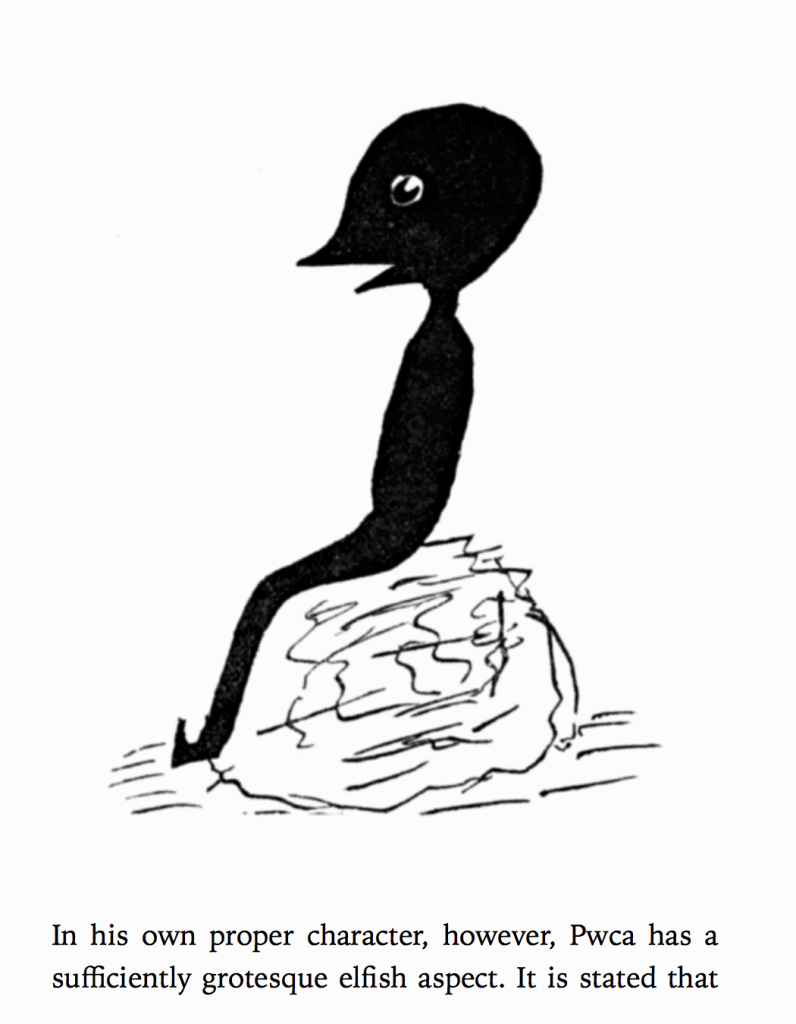
Among Ireland‘s rich catalog of otherworldly beings, few are as compelling—or as unpredictable—as the Púca. This shape-shifting creature has haunted Irish imagination for centuries, appearing in stories from Wexford to Donegal, sometimes as a wild horse, sometimes as a goat or rabbit, and occasionally as a dark, human-like figure with glowing eyes.
Unlike the mournful banshee or the solitary leprechaun, the Púca occupies a curious middle ground in Irish folklore: neither wholly evil nor entirely benign. He’s a trickster, capable of great mischief but also, under the right circumstances, of unexpected kindness.
The Many Forms of the Púca
The most common manifestation of the Púca is as a sleek black horse with wild eyes and a flowing mane. In this form, he would appear at night along country roads, enticing unwary travelers to mount him before taking them on a terrifying ride across fields, bogs, and ditches. Some stories tell of riders deposited, bruised but alive, far from home at dawn. Others weren’t so lucky.
In County Down, the Púca often appeared as a shaggy goat. In parts of Leinster, he took the form of a massive dog or eagle. The common thread across all regions: the Púca commanded respect and a healthy dose of fear. Farmers would leave a small portion of their harvest in the fields after reaping—called the Púca’s share—to appease him and ensure his mischief stayed within bounds.
The shape-shifting wasn’t random. Irish storytellers understood the Púca as a liminal creature, existing between worlds: between human and animal, between helpful and harmful, between this world and the Otherworld that lies so close to the surface in Irish tradition.
Samhain and the Púca’s Power
The Púca’s influence grew strongest at Samhain, the ancient Celtic festival marking the end of harvest and the beginning of winter’s dark months. Samhain, which falls on October 31st and November 1st, was when the boundary between the human world and the spirit realm grew thin.
After Samhain, it was said, no one should eat blackberries from the hedgerows—the Púca had either spat on them or, depending on the county, claimed them as his own. This prohibition had the practical effect of preventing people from eating overripe, spoiling berries as autumn turned cold, but it was the Púca’s reputation that enforced the rule.
In County Wicklow, November 1st was known as Púca’s Day, when the creature was believed to roam freely, and wise folk stayed close to home after dark.
When the Púca Helps
Not all Púca encounters ended badly. Several traditional stories tell of the creature rewarding those who showed him respect or treated him fairly. One famous tale from County Wexford tells of a farmer who always left out a generous share of his grain. One November morning, he found his entire field harvested and threshed overnight—the Púca’s gift for years of acknowledgment.
Other stories describe the Púca speaking to those he encountered, offering prophecies or warnings about the future. These conversations typically happened at crossroads, another liminal space in Irish tradition where the natural and supernatural worlds meet.
The playwright and poet W.B. Yeats collected several Púca stories in his folklore compilations, noting that in some regions, the creature was considered less dangerous than in others—more inclined to frighten than to harm, as long as proper respect was shown.
The Púca in Modern Ireland
Today, the Púca’s legacy lives on throughout Ireland. The Púca Festival in County Meath celebrates Samhain with storytelling, music, and illuminated trails through the Hill of Ward, the ancient site of Samhain fires. The festival, launched in recent years, has revived interest in this complex folklore figure.
You’ll find Púca references in pub names, brewery labels, and local legends across the country. In Kilkenny, guides share Púca stories on evening heritage walks. In Sligo, the creature features prominently in Yeats-focused tours that explore the poet’s deep engagement with Irish mythology.
The shape-shifting Púca also appears in modern Irish literature and film, often as a symbol of Ireland’s wild, untamed nature—the part of the land and culture that resists easy categorization or control.
Whether you encounter the Púca in old stories shared over a pint, in festival celebrations, or in the wild landscapes where these tales were born, this mischievous spirit remains a vital part of what makes Irish folklore so endlessly fascinating: the understanding that magic and danger, humor and fear, often arrive in the same package.
Want more stories from Ireland’s rich folklore tradition delivered to your inbox? Subscribe to the Ireland Moments newsletter—a daily celebration of Ireland, from ancient legends to the living traditions that keep them alive.