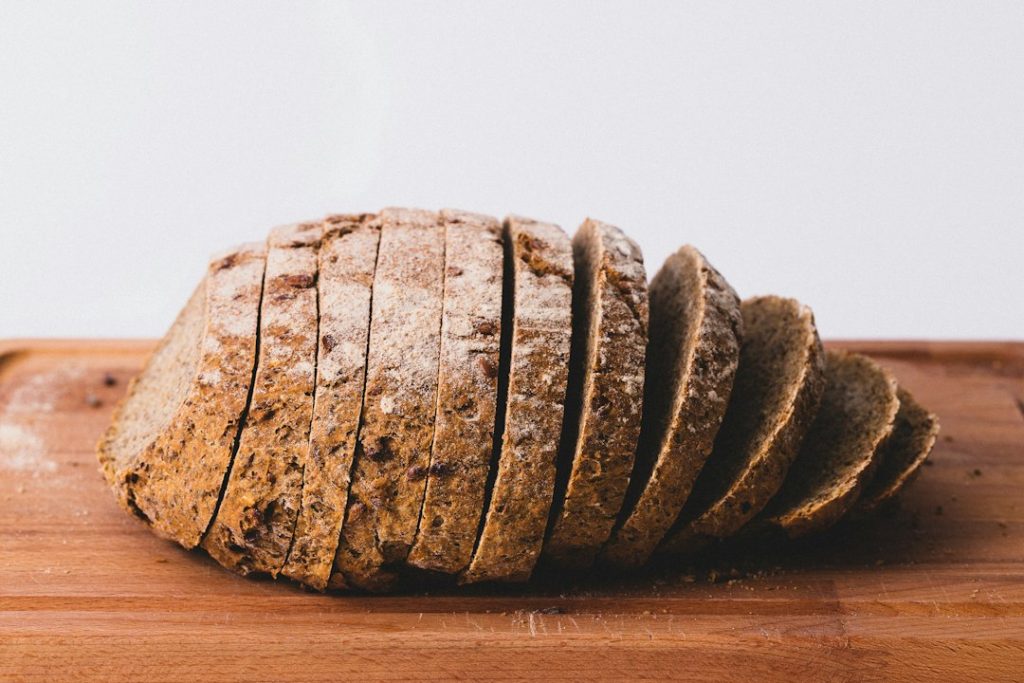
If Irish soda bread is the loaf that built a nation, Irish brown bread is the one that feeds it daily. Walk into any home, café, or country hotel across Ireland, and you’ll find it: dense, dark, slightly sweet, with a crust that crackles and a crumb that holds butter like a promise.
Unlike its white soda bread cousin, brown bread is made with wholemeal flour—sometimes called whole wheat flour outside Ireland—giving it a nutty depth and a texture that’s hearty without being heavy. It’s the bread you toast for breakfast, slice thick for soup, and serve alongside smoked salmon or farmhouse cheese. And the best part? You can make it in under an hour, start to finish, with no yeast, no kneading, and no waiting around.
What Makes Irish Brown Bread Different
Irish brown bread belongs to the soda bread family, leavened with baking soda and buttermilk instead of yeast. The acid in the buttermilk reacts with the soda to create carbon dioxide, which makes the bread rise quickly. That’s why it goes from bowl to oven in minutes.
The defining ingredient is wholemeal flour, which in Ireland is stone-ground and coarser than most American whole wheat flour. It gives the bread its characteristic texture and flavor—earthy, slightly sweet, with a hint of nuttiness. Many recipes add a spoonful of honey, treacle, or molasses for extra depth, and some include a handful of oats or seeds for crunch.
The result is a loaf that’s denser than yeasted bread but never dry. It’s moist, tender, and satisfying in a way that makes you reach for a second slice without thinking.
How It’s Made (and Why It’s So Easy)
Traditional Irish brown bread is mixed in one bowl, shaped into a round or pressed into a loaf tin, and baked until the crust is firm and the底 sounds hollow when tapped. The dough is sticky and shaggy—nothing like the smooth, elastic dough of yeasted bread—and that’s exactly how it should be.
Most recipes call for a mix of wholemeal and white flour, though some purists use 100% wholemeal. You’ll need buttermilk, baking soda, a pinch of salt, and optionally a bit of sugar or honey. Some bakers add an egg for richness, others swear by a spoonful of melted butter. There’s no single canonical recipe—every family has their own version, passed down and tweaked over generations.
The key is not to overmix. Stir just until the ingredients come together, shape quickly, cut a deep cross on top (to help it bake evenly and, traditionally, to let the fairies out), and into the oven it goes. Forty-five minutes later, you have bread.
Where to Taste the Best
You’ll find exceptional brown bread at farmers’ markets, artisan bakeries, and bed-and-breakfasts across Ireland. In Dublin, the Bretzel Bakery on Lennox Street bakes a version with seeds and molasses that’s become legendary. In West Cork, Arbutus Bread in Middleton makes a stone-ground wholemeal loaf that’s been served in some of Ireland’s best restaurants.
But honestly, the best brown bread is often homemade. It’s the loaf your host will slice for you at breakfast, still warm, with Kerry butter and homemade jam. It’s what Irish emigrants crave most when they’re far from home, and what visitors remember long after they’ve left.
Why It Matters
Irish brown bread is more than a recipe—it’s a daily ritual, a taste of home, and a reminder that good food doesn’t have to be complicated. In a world of sourdough starters and overnight fermentation, it’s the loaf that proves you don’t need time or technique to make something honest and delicious.
It’s the bread of farmhouse kitchens and coastal cottages, of Sunday breakfasts and weeknight suppers. It’s what Ireland tastes like when it’s not trying to impress anyone—just feeding the people it loves, one thick slice at a time.
Want more stories from the heart of Ireland delivered to your inbox? Subscribe to the Ireland Moments newsletter—a daily celebration of Ireland, served fresh every morning.