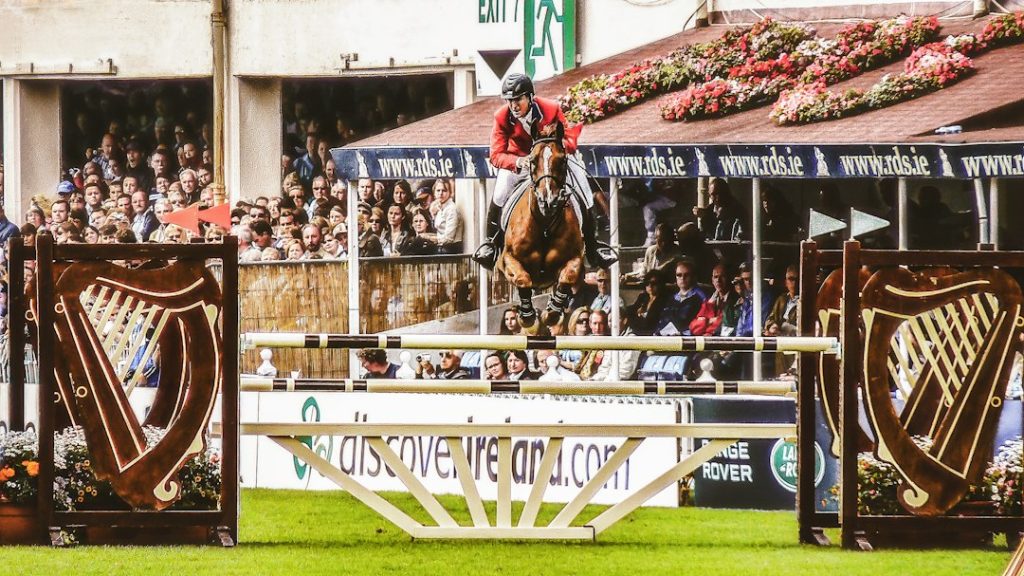
Walk into any pub, glance at a euro coin, or look at an Irish passport, and you’ll see it: the harp. No other nation on earth has chosen a musical instrument as its official symbol. But Ireland did, and for good reason. The harp isn’t just an emblem—it’s the voice of a culture that has sung through conquest, famine, and diaspora, and still plays on.
The connection between Ireland and the harp runs deeper than symbolism. It’s woven into the island’s oldest stories, its grandest halls, and its quietest kitchen sessions. Understanding the harp means understanding Ireland itself.
The Harp in Ancient Ireland
The Irish harp, or cláirseach, has been part of Irish life since at least the 10th century, though some historians believe its roots stretch back even further. Unlike the large concert harps seen in orchestras today, the traditional Irish harp is smaller, often made from willow with brass strings, and played resting against the shoulder.
In medieval Ireland, harpers held a place of honor. They performed in the halls of chieftains and kings, where their music celebrated victories, mourned losses, and preserved genealogies and legends through song. A skilled harper was both entertainer and historian, carrying the memory of a people in their fingertips.
One of the most famous harpers was Turlough O’Carolan, the blind composer who traveled Ireland in the late 1600s and early 1700s. His compositions—melodic, lyrical, and deeply Irish—are still played today. Tunes like “Sí Bheag, Sí Mhór” and “Carolan’s Concerto” remain staples of traditional music sessions across the country.
Why Ireland Chose the Harp
By the 13th century, the harp had become so synonymous with Ireland that it appeared on coins during the reign of King John. Centuries later, when Ireland needed a symbol to represent the nation, the harp was the natural choice. It appeared on the presidential seal, currency, and official documents—a declaration that this was a country defined not by warfare, but by artistry and soul.
Even global brands recognized the power of the symbol. Guinness adopted the harp as its logo in 1862, though they flipped it to face the opposite direction from the official state emblem. Today, the harp facing right belongs to Ireland; the one facing left belongs to the black stuff.
The harp also carried rebellious significance. During periods of English rule, harpers were often seen as threats—carriers of Irish identity and defiance. Some were even outlawed. But the music survived, passed down in secret, in kitchens and hedge schools, until it could be played openly again.
The Trinity College Harp
If you want to see Ireland’s most famous harp, head to the Long Room at Trinity College Dublin. There, behind glass, sits the Brian Boru Harp, a medieval cláirseach dating back to the 14th or 15th century. Despite its name, it wasn’t actually owned by the legendary High King Brian Boru—he lived centuries earlier—but the association stuck.
This harp is the model for Ireland’s national emblem. Its graceful curves, carved from willow and oak, have been reproduced on everything from passports to pub signs. Standing before it, you can almost hear the echoes of every tune it once played, every hall it filled, every story it carried.
The Harp Today
The harp hasn’t faded into museum silence. Modern players like Laoise Kelly, Máire Ní Chathasaigh, and Cormac de Barra have brought it roaring back into contemporary Irish music, blending traditional melodies with jazz, folk, and even electronic influences. You’ll hear harps at fleadhanna, in concert halls, and yes, still in some intimate pub corners where the old tunes are honored.
Learning the harp has also seen a revival. Music schools across Ireland teach children the cláirseach, ensuring the tradition continues. It’s no longer reserved for the halls of chieftains—it’s an instrument for everyone, a living thread connecting modern Ireland to its ancient past.
The harp is more than a symbol stamped on coins. It’s a reminder that Ireland’s greatest strength has always been its voice—sometimes defiant, sometimes mournful, always beautiful. And as long as there are hands to play it, that voice will never be silenced.
Love stories like this? Subscribe to the Ireland Moments newsletter and get a daily celebration of Ireland’s music, culture, history, and landscapes delivered to your inbox—perfect for anyone who carries a bit of the Emerald Isle in their heart.