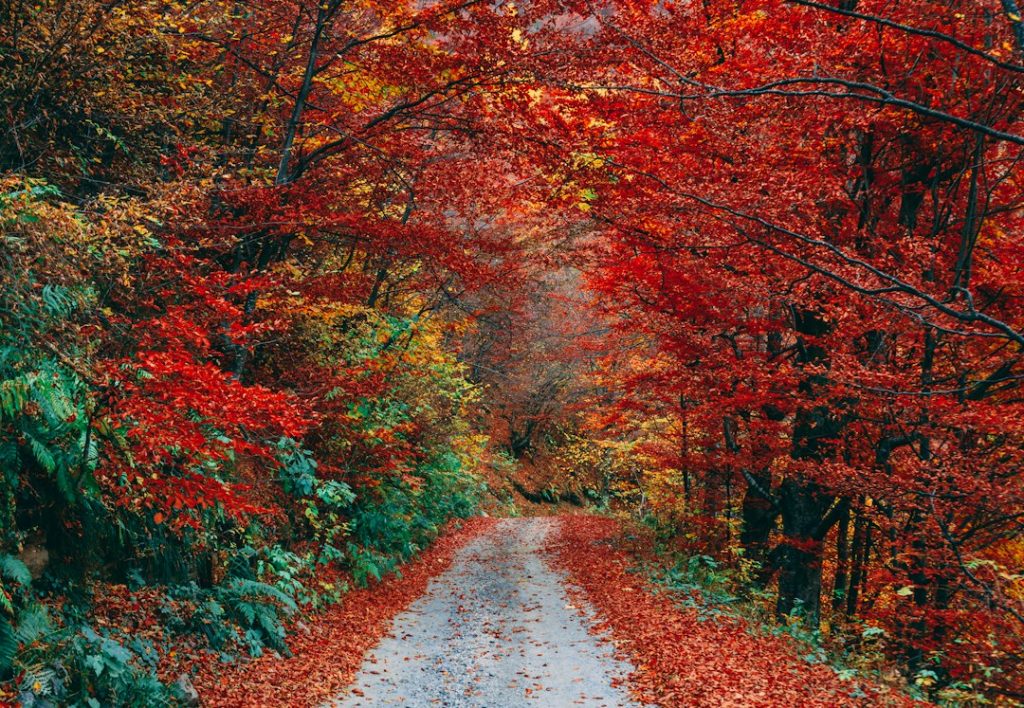
The Dingle Peninsula juts into the Atlantic like a finger pointing toward America, and the 111-mile Dingle Way circles its entire coastline and interior. This isn’t Ireland’s most famous walk, but it might be its most complete—combining everything that makes the Wild Atlantic Way legendary with the intimacy of a trail that still feels like a local secret.
Starting and ending in the town of Tralee, the Dingle Way takes between eight and ten days to complete, though many walkers tackle it in sections. The route passes through the vibrant town of Dingle itself, climbs over the Connor Pass—the highest mountain pass in Ireland—and traces clifftop paths where the only sounds are wind, waves, and the occasional bleat of sheep.
Where Ocean Meets Mountain
The Dingle Way doesn’t choose between coast and countryside—it gives you both. From Tralee, the trail heads west through the Slieve Mish Mountains, then drops down to Annascaul, home of the South Pole Inn, once owned by Antarctic explorer Tom Crean. The pub still serves pints beneath photos of Crean’s expeditions with Shackleton and Scott.
From Annascaul, the path hugs Dingle Bay, offering views across to the Iveragh Peninsula and the Skellig Islands on clear days. You’ll pass through Lispole and into Dingle town, where brightly painted shopfronts and the smell of fresh fish and chips welcome you at the halfway point.
Beyond Dingle, the landscape shifts. The trail climbs past Slea Head, where beehive huts and stone forts dot the hillsides—remnants of early Christian hermits who chose this windswept edge of Europe for prayer and solitude. The Blasket Islands rise offshore, abandoned since 1953 but still haunting in their beauty.
A Trail Through the Gaeltacht
The western portion of the Dingle Way passes through one of Ireland’s Gaeltacht regions, where Irish is the first language. Road signs switch to Irish, and in villages like Baile an Fheirtéaraigh and Dún Chaoin, you’ll hear conversations in the native tongue in shops and pubs. It’s a rare chance to experience Ireland as it sounded centuries ago.
The trail also crosses some of the most filmed landscapes in Ireland. Dunquin Pier, with its zigzagging stone steps down to the water, appeared in Ryan’s Daughter and countless documentaries. The rolling green fields and stone walls around Clogher Beach could be postcards, if postcards could capture wind and salt air.
Practical Magic
The Dingle Way is well-marked with wooden posts and the familiar yellow walking man symbol. Terrain varies from paved country roads to grassy tracks to rocky coastal paths—good boots are essential, as are layers. Weather on the peninsula changes fast, and what starts as sunshine in Tralee can turn to mist and drizzle by the time you reach the Connor Pass.
Accommodations are plentiful, from B&Bs in Annascaul and Dingle to guesthouses in Dunquin and Cloghane. Many offer luggage transfer services, so you can walk light and find your bag waiting at the next stop. Expect to pay around $80–$120 per night for a comfortable room with a full Irish breakfast.
Late September through October is an ideal time to walk the Dingle Way. The summer crowds have thinned, the light turns golden, and the hedgerows are thick with fuchsia and blackberries. Bring a rain jacket, a camera, and an appetite—Dingle town alone has enough seafood restaurants, bakeries, and pubs to justify an extra rest day.
Why It Stays With You
The Dingle Way doesn’t rush. It’s a trail that rewards slow movement, where each turn reveals another angle of the same timeless beauty: stone, sea, and sky. You’ll meet farmers herding cattle across narrow roads, walkers from Germany and Boston and Dublin, and locals who’ll point you toward the best pint in the next village.
By the time you return to Tralee, you’ll have circled an entire peninsula on foot, crossed mountains and beaches, passed through history and language, and earned a new understanding of what makes this corner of Kerry so magnetic. The Dingle Way isn’t just a walk—it’s an immersion.
Love stories like this? Subscribe to the Ireland Moments newsletter and get a daily celebration of Ireland delivered to your inbox—its places, culture, music, history, and the moments that make the Emerald Isle unforgettable.