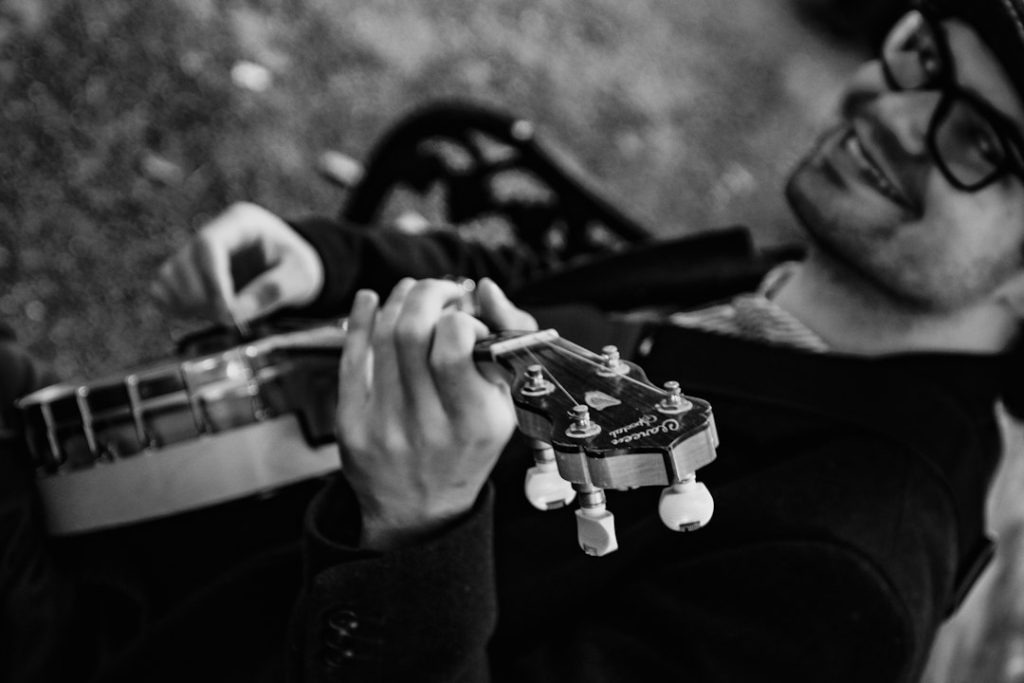
Walk into any pub in Ireland where traditional music is played, and you’ll hear it before you see it: the clear, singing voice of the fiddle cutting through the room. It’s the instrument that carries the tune, sets the pace, and pulls every other player along with it. The fiddle isn’t just part of the session—it is the session.
For centuries, the fiddle has been the backbone of Irish traditional music. It’s portable, affordable, and expressive in ways few instruments can match. From slow airs that break your heart to breakneck reels that make your feet move on their own, the fiddle does it all.
A Tradition Passed Down by Ear
Irish fiddle playing isn’t learned from sheet music. It’s passed down the old way: by ear, from one generation to the next. A child sits beside a grandfather at the kitchen table, watches his fingers on the strings, listens to the ornamentation—the rolls, cuts, and slides that make Irish fiddling so distinct—and tries to match it.
This oral tradition means that every region has its own style. In County Clare, fiddlers play with a driving, rhythmic intensity perfect for session playing. In Donegal, the style is wild and highly ornamented, influenced by the region’s Scottish neighbors. Sligo fiddling, made famous by Michael Coleman in the early 20th century, is smooth and lyrical, with a sweet tone that’s become the gold standard worldwide.
These regional styles aren’t rigid—they’re living, breathing traditions that evolve with every player. But the core remains: the fiddle speaks in the accent of its home place.
The Instrument That Leads the Tune
In a traditional session, the fiddle is the lead voice. While the bodhrán keeps time and the guitar or bouzouki provides rhythm, it’s the fiddle that states the melody. Other melody instruments—flutes, whistles, concertinas—often follow the fiddler’s lead, matching their phrasing and ornamentation.
A good session fiddler knows hundreds of tunes by heart: jigs, reels, hornpipes, polkas, slides, and slow airs. They know when to hold back and when to push the tempo, when to let a tune breathe and when to drive it home. The best fiddlers make it look effortless, their bows dancing across the strings, their fingers flying through complex runs without a single wasted movement.
But it’s not about showing off. Irish fiddle playing is communal. The goal is to serve the tune, to keep it going, to make space for others to join in. A great fiddler lifts the whole session.
From Kitchen Céilís to Festival Stages
The fiddle has always been the instrument of the people. In the days before radio and recordings, fiddlers played at house dances, weddings, and crossroads céilís. They were the soundtrack to Irish rural life, providing music for dancing, courting, and celebration.
Today, the tradition continues in pubs, festival stages, and living rooms across Ireland. The Willie Clancy Summer School in County Clare draws fiddlers from around the world every July. Scoil Samhraidh Willie Clancy, named after the legendary uilleann piper, offers classes in traditional fiddle styles taught by master musicians. The Fleadh Cheoil, Ireland’s largest traditional music festival, crowns fiddle champions in competitions that showcase the finest players in the country.
But the real magic still happens in small-town pubs on a Tuesday night, when a handful of musicians pull out their instruments and start into a set of reels, the fiddler leading the way.
Why It Still Matters
The fiddle endures because it’s versatile, expressive, and deeply Irish. It can whisper a lonesome air that brings tears to your eyes, or rip through a high-speed reel that gets the whole room on its feet. It’s equally at home in a smoky pub session and on a concert hall stage.
More than that, the fiddle connects modern Ireland to its past. Every tune played today has been played for generations, passed from teacher to student, from parent to child, from one session to the next. When you hear a fiddle in an Irish pub, you’re hearing an unbroken line of tradition stretching back centuries.
And you don’t need to be Irish to feel it. The fiddle’s voice crosses borders and languages. It speaks directly to something human and universal: the need for music, for connection, for a tune that makes you feel alive.
If you love Ireland’s music and culture, subscribe to the Ireland Moments newsletter—a daily celebration of the places, traditions, and stories that make the Emerald Isle unforgettable.