Walk into any trad session from Sligo to Kerry, and sooner or later you’ll hear it: the opening notes of ‘The Ferryman,’ that driving D major reel that makes every foot in the room start tapping. It’s the tune that pulls musicians together, the one that bridges generations and geographies, and the reel that never fails to lift the energy in a pub.
Composed by Donegal fiddler James Byrne in the 1970s, ‘The Ferryman’ has traveled from the northwest corner of Ireland to become one of the most beloved session tunes across the island and beyond. Its infectious rhythm and memorable melody have made it a staple in kitchens, concert halls, and crowded pubs wherever Irish music is played.
A Modern Classic Born in Donegal
James Byrne wrote ‘The Ferryman’ in Buncrana, County Donegal, drawing on the region’s rich tradition of fiddle music. Donegal fiddling has a distinctive style—driving, rhythmic, and often played with a strong bow hand that emphasizes the pulse of the tune. ‘The Ferryman’ captures all of that energy.
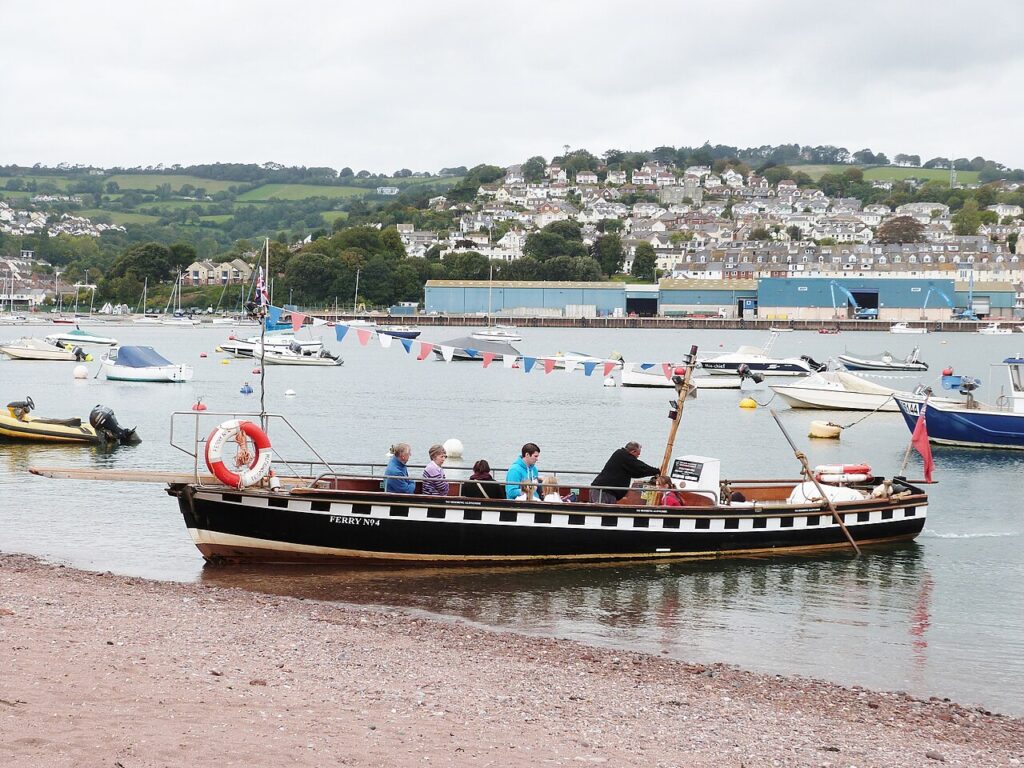
The tune’s title refers to the ferrymen who once worked the crossings along Lough Swilly and other Donegal waterways, carrying passengers and goods across waters that divided communities. Like those ferrymen, the tune itself has become a bridge—connecting musicians who might not know each other’s names but can meet instantly in the shared language of the reel.
What makes ‘The Ferryman’ so appealing is its structure. The A part sits comfortably in the middle range of most instruments, while the B part lifts into the higher octave with a melodic turn that feels both surprising and inevitable. It’s a tune that rewards good timing and tight ensemble playing, making it perfect for sessions where multiple instruments lock into the groove together.
Why Sessions Love This Tune
Step into Matt Molloy’s in Westport, the Cobblestone in Dublin, or any session in between, and ‘The Ferryman’ is almost guaranteed to make an appearance. There’s a reason for that ubiquity: it’s simply fun to play.
The tune works beautifully on fiddle, where it was born, but it translates perfectly to flute, whistle, accordion, and concertina. The melody sits well under the fingers, with natural ornaments and rolls falling into place for players of different skill levels. A beginner can play a clean version that sounds complete, while an advanced musician can add layers of decoration and variation that never obscure the tune’s essential drive.
‘The Ferryman’ also pairs well with countless other reels in D major. You’ll often hear it followed by ‘The Morning Dew,’ ‘The Maid Behind the Bar,’ or ‘The Fermoy Lasses’—each combination creating a different mood and momentum. Session leaders love it because it’s dependable: everyone knows it, everyone enjoys it, and it never overstays its welcome.
From Kitchen Sessions to Festival Stages
While ‘The Ferryman’ thrives in informal sessions, it has also found its way onto recordings and concert stages. Groups like Altan, Dervish, and Lúnasa have all recorded versions that showcase the tune’s versatility. Altan’s rendition, featuring Mairéad Ní Mhaonaigh’s soaring fiddle, brings out the Donegal character of the tune with precision and fire.
At summer festivals like the Willie Clancy Week in County Clare or Scoil Samhraidh Willie Clancy, you’ll hear ‘The Ferryman’ played in workshops, slow sessions for learners, and late-night pub sessions where the tempo gradually accelerates until the whole room is breathless. It’s a tune that adapts to its setting while never losing its essential character.
The tune has also traveled far beyond Ireland. Session musicians in Boston, New York, Melbourne, and Tokyo all know ‘The Ferryman.’ It’s become part of the shared repertoire that connects the Irish diaspora and anyone drawn to the tradition. When musicians from different continents meet for the first time, this is often one of the tunes that emerges naturally, a common language that requires no introduction.
What Makes a Tune Last
Not every newly composed tune becomes a standard. The traditional repertoire is vast, and musicians are selective about what they add to it. So what is it about ‘The Ferryman’ that has given it staying power for over half a century?
Part of it is the melody itself—memorable without being predictable, energetic without being frantic. Part of it is the tune’s generosity: it sounds good whether you play it slow or fast, alone or in a crowd of ten musicians. And part of it is simply that it makes people happy. There’s a joy embedded in the tune that comes through every time it’s played.
James Byrne gave Irish music a gift when he composed ‘The Ferryman.’ He created a tune that honors Donegal’s fiddling tradition while speaking to musicians everywhere. Like the best ferrymen, it carries us safely across, connecting one shore to another, one musician to the next, one generation to those that follow.
If you love the tunes and stories that make Irish music unforgettable, subscribe to the Ireland Moments newsletter—a daily celebration of Ireland delivered to your inbox every morning.