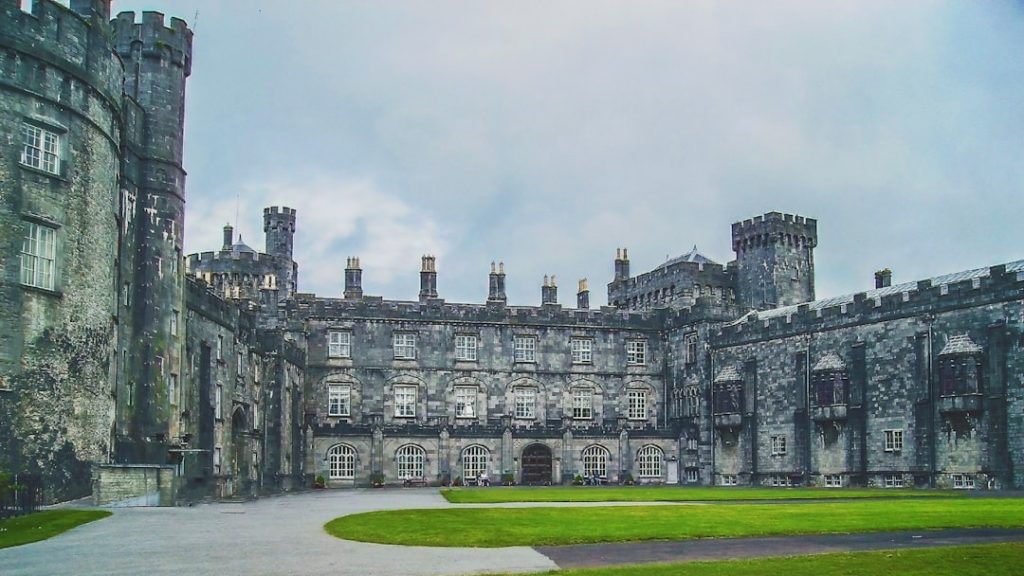
Every year, travelers from around the world make the pilgrimage to Blarney Castle in County Cork, lean backward over a sheer drop, and kiss a limestone block said to grant the gift of eloquence. But while the Blarney Stone gets all the attention, the castle and its 60-acre estate hold layers of history, mystery, and beauty that deserve more than a quick photo op.
Built nearly 600 years ago, this medieval stronghold has witnessed rebellions, sieges, and the rise and fall of one of Ireland’s most powerful families. And beyond its thick walls lie enchanted gardens, underground passages, and enough folklore to fill a dozen fireside tales.
The Castle Behind the Stone
Blarney Castle was constructed in 1446 by Dermot McCarthy, King of Munster, as a fortified tower house designed to withstand attack. Its walls are 18 feet thick in places, and the structure rises 85 feet above the River Martin. The castle’s strategic location made it a key stronghold during centuries of conflict between Irish clans and English forces.
The famous Blarney Stone sits at the parapet, but getting there means climbing 127 narrow, winding stone steps through the castle’s interior. Along the way, you’ll pass the Great Hall, the Earl’s bedroom, and the murder hole—a vertical shaft through which defenders could drop stones or boiling liquid on attackers below.
The stone itself became legendary in the 16th century when Cormac Teige McCarthy, the Lord of Blarney, repeatedly deflected Queen Elizabeth I’s demands to surrender his castle with eloquent letters full of flattery and empty promises. Frustrated, the Queen reportedly declared his words to be nothing but “Blarney,” and the association with smooth talk stuck.
The Poison Garden and the Witch’s Kitchen
Most visitors race from the entrance to the stone and back, but the castle grounds hold some of Ireland’s most unusual attractions. The Poison Garden, established in recent years, grows dangerous plants like hemlock, mandrake, and wolfsbane—all safely behind caged enclosures with warning signs. It’s a fascinating (and slightly unsettling) walk through botanical history.
Near the castle base, a network of caves and passages known as the Rock Close winds through ancient yew trees and moss-covered boulders. Local tradition holds that this was a druidic place of worship long before the castle was built. Here you’ll find the Witch’s Kitchen, a rock formation said to have been the home of a witch who revealed the stone’s powers to the McCarthy clan in exchange for saving her from drowning.
The Wishing Steps, also in the Rock Close, challenge visitors to walk down and up backward with their eyes closed while thinking of a wish. Legend says your wish will come true within a year if you complete the task without faltering—though a guide is recommended to prevent tumbles.
Gardens That Rival Any Irish Estate
Beyond the medieval drama, Blarney Castle’s gardens showcase centuries of landscaping. The Arboretum contains rare trees from around the world, including specimens planted in the 19th century when plant collecting became fashionable among Irish gentry.
The Fern Garden creates a prehistoric atmosphere with giant tree ferns and water features, while the formal Italian Garden offers manicured hedges and colorful perennial borders. In spring, the estate explodes with daffodils and bluebells; by summer, rhododendrons and azaleas take over.
The gardens also hide whimsical touches: fairy glades, wishing wells, and stone circles that feel ancient even when they’re not. Budget at least two hours if you want to explore beyond the castle itself—the grounds are extensive and genuinely worth the time.
Planning Your Visit
Blarney Castle sits about five miles northwest of Cork City, easily accessible by car or local bus. Admission runs around $20 for adults, with family and group rates available. The castle opens daily except Christmas week, with extended hours in summer months.
Arrive early if you want to avoid the tour bus crowds—mornings before 10 a.m. or late afternoons after 4 p.m. tend to be quietest. The climb to the top isn’t suitable for anyone with mobility issues, and kissing the stone requires lying on your back and leaning backward over the edge (with safety rails and an attendant, but it’s still not for the faint of heart).
Wear comfortable shoes for walking the grounds, and bring a waterproof jacket—County Cork’s weather can turn in minutes. The on-site Blarney Castle Hotel and several nearby restaurants offer traditional Irish meals if you’re making a day of it.
Whether you kiss the stone or skip it entirely, Blarney Castle delivers a genuine slice of Irish history wrapped in legend, natural beauty, and that particular magic that makes Ireland’s castles more than mere ruins. It’s a place where medieval warfare, Victorian romance, and ancient folklore coexist within a few acres—and where every path seems to lead somewhere worth discovering.
Want more stories from Ireland’s most captivating places? Subscribe to the Ireland Moments newsletter and get a daily celebration of the Emerald Isle delivered to your inbox—no passport required.