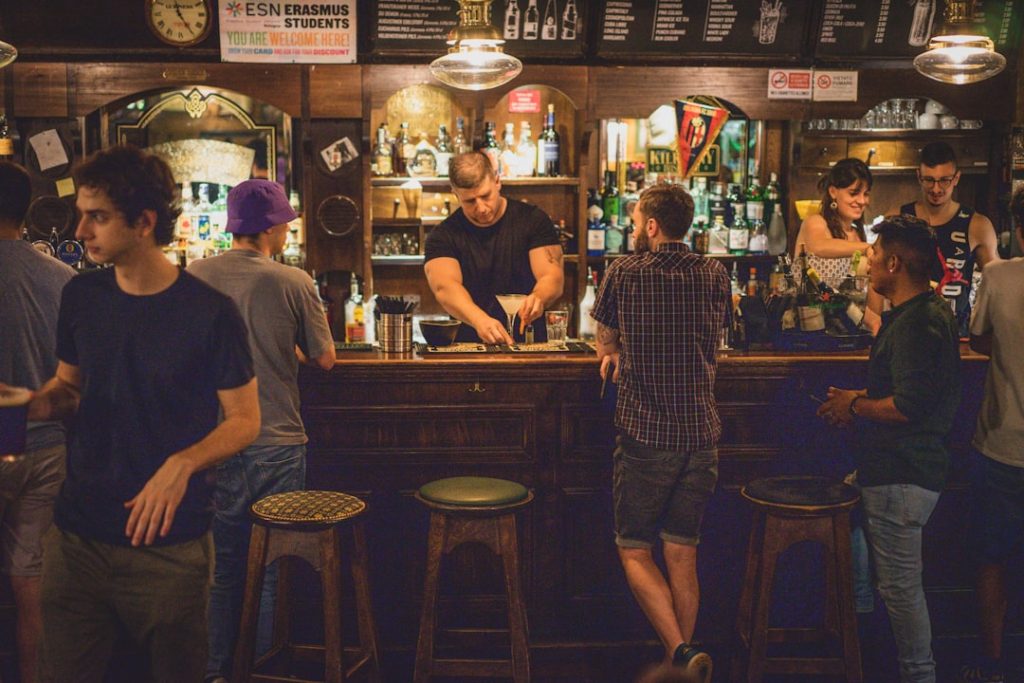
Walk into the right pub on the right night in Ireland, and you’ll find something that can’t be staged or replicated: a traditional music session. Not a performance with a stage and a setlist, but a living, breathing gathering where musicians sit in a circle, pass tunes back and forth, and invite anyone skilled enough to join in.
But if you’ve never been to one, the session can feel like a mystery. Who starts? Can you clap? Should you request a tune? Here’s how it all really works.
The Session Has a Leader (Even If You Can’t Tell)
Most sessions have a session leader, though they won’t announce themselves or wear a badge. This is the person who kicks off the first tune, sets the pace, and subtly steers the evening. They might nod to another musician to lead the next set, or gently redirect if things veer off course.
In well-established sessions—like those at Tigh Coili in Galway or Matt Molloy’s in Westport—the leader is usually a regular, someone who’s been holding the circle together for years. Visitors are welcome to join, but it’s considered respectful to listen first, feel out the vibe, and wait for a nod or an opening before jumping in.
If you’re not a musician, your role is equally important: listen, absorb, and let the music do its work.
Tunes Come in Sets of Two or Three
A session doesn’t move through isolated songs. Instead, musicians play tunes in sets—usually two or three reels, jigs, or hornpipes strung together in the same key and tempo. One musician starts, and the others join in as they recognize the tune or pick up the melody.
Between sets, there’s a pause. Someone might take a sip of their pint, retune a string, or quietly suggest the next tune. Then off they go again. It’s informal, but there’s a rhythm to it—a structure underneath the spontaneity.
You’ll hear traditional standards like “The Kesh Jig,” “The Maid Behind the Bar,” or “The Silver Spear,” but also regional tunes passed down through families or revived from dusty collections. Each session has its own repertoire, shaped by who shows up and what they know.
Session Etiquette: What to Do (and Not Do)
There are no written rules, but there are unspoken ones, and locals will notice if you miss them.
- Don’t clap between tunes in a set. Wait until the full set is finished. A brief pause doesn’t mean it’s over.
- Don’t request songs. This isn’t a jukebox. The musicians play what they know and what fits the flow.
- Don’t record without asking. A quiet photo is usually fine, but holding up a phone for a full video can break the intimacy of the moment.
- Do buy a drink. Sessions happen in pubs, and the pub keeps the lights on. Support the place that hosts the music.
- Do stay for a while. Sessions build over time. The best moments often come an hour in, when everyone’s warmed up and the tunes start to breathe.
Where to Find a Real Session
Tourist-friendly pubs sometimes offer “trad nights” with hired musicians playing for visitors, and those can be enjoyable. But a real session is different—it’s for the musicians first, the community second, and visitors are simply welcome to witness it.
Some of the best sessions in Ireland happen at O’Connor’s in Doolin, County Clare, where musicians gather nearly every night and the music runs deep. In Dublin, The Cobblestone in Smithfield is a landmark for traditional music, though it’s often packed. Hughes’ Bar in Chancery Street offers a more low-key alternative with serious players.
In Cork, Sin É on Coburg Street hosts sessions that feel like stepping into someone’s living room. In Dingle, Foxy John’s—part pub, part hardware store—has sessions that draw both locals and wandering fiddlers from across Europe.
Check locally, ask around, and don’t rely solely on the internet. The best sessions aren’t always advertised.
Why It Matters
The session is one of the few truly egalitarian spaces left in Irish culture. It doesn’t matter if you’re a farmer, a teacher, a tourist, or a doctor—if you can play, you’re welcome. And if you can’t, you’re still part of it just by being there, listening with respect.
It’s also a living archive. Tunes that might otherwise be forgotten are kept alive because someone’s grandfather played them, or because a musician heard a scratchy recording and brought it back. The session is how Irish music survives, adapts, and continues.
So next time you’re in Ireland, find a session. Sit close, order a pint, and let the music carry you. You’ll leave with something no guidebook can give you—a memory of Ireland at its most real.
Want more stories like this delivered to your inbox? Subscribe to the Ireland Moments newsletter—a daily celebration of Ireland’s music, landscapes, culture, and the moments that make it unforgettable.