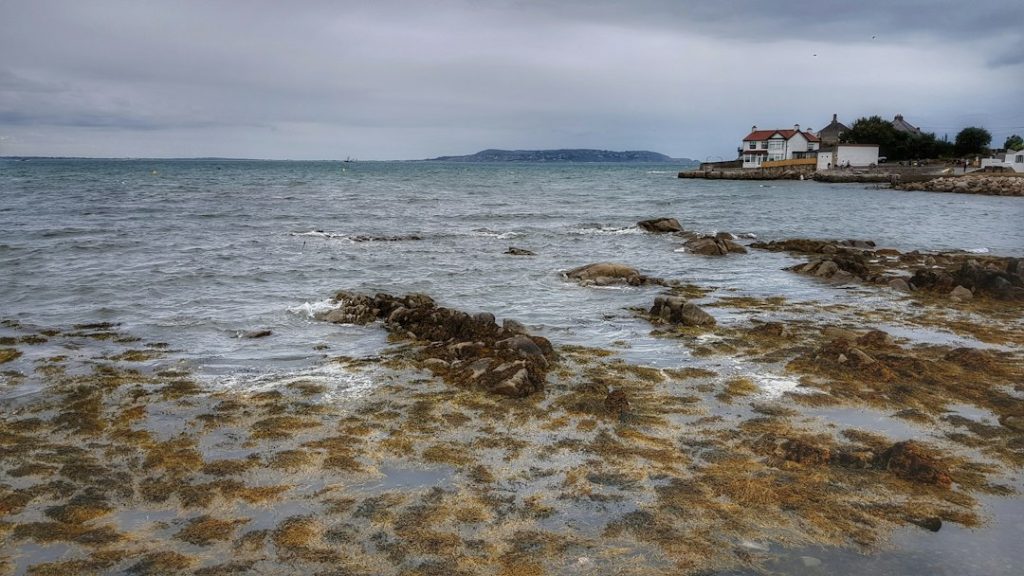
Long before kale and quinoa became household names, Irish families along the western coast were harvesting dulse, carrageen, and kelp from the rocks at low tide. Seaweed wasn’t exotic—it was survival, sustenance, and medicine rolled into one slippery, salty package.
Today, Irish seaweed is having a renaissance. Chefs are folding it into breads and butters, wellness brands are bottling it as supplements, and farmers are using it to enrich soil and feed livestock. What was once peasant food is now a prized ingredient, celebrated for its flavor, nutrition, and sustainability.
The Seaweeds of Ireland’s Coast
Ireland’s cold Atlantic waters produce some of the cleanest, most nutrient-dense seaweed in the world. The most commonly harvested varieties include dulse (duileasc), a dark red seaweed with a smoky, umami flavor that crisps beautifully when fried; carrageen moss (also called Irish moss), used for centuries as a thickener in puddings and a remedy for colds; and kelp, the broad, leathery brown seaweed packed with iodine, iron, and calcium.
Other varieties like sea spaghetti, sea lettuce, and bladderwrack are also gathered by hand along the shores of counties Clare, Galway, Donegal, and Cork. Most Irish seaweed is still wild-harvested sustainably, cut above the holdfast so it regrows naturally.
How Seaweed Was Used in Irish Tradition
Seaweed has been part of the Irish diet for at least 1,400 years. Monks at Skellig Michael likely ate dulse and dried fish. Coastal families made carrageen pudding, a light, vanilla-scented dessert thickened with Irish moss, often served to children and the elderly for its soothing properties.
Dulse was chewed as a snack, fried with bacon, or mixed into potato dishes. In times of hardship, especially during and after the Famine, seaweed provided critical vitamins and minerals when little else was available. It was also spread on fields as fertilizer—an agricultural practice still used on small farms across the west.
Beyond food, seaweed was burned for its ash (used in soap and glass-making), boiled into broths for coughs and congestion, and even added to baths for joint pain and skin ailments.
Seaweed in the Modern Irish Kitchen
Irish seaweed is no longer just for survivalists and herbalists. You’ll find dulse flakes at farmers’ markets in Galway, seaweed butter on menus in Dublin, and carrageen panna cotta in Michelin-starred restaurants. Artisan producers like Atlantic Kitchen in Clare and Irish Seaweeds in Donegal are turning local harvests into everything from seasonings to skincare.
Dulse adds a bacon-like crunch to salads and soups when toasted. Kelp powder is stirred into broths and stews for a mineral boost. Sea spaghetti can be sautéed with garlic and lemon like any green vegetable. And carrageen is still used to set jellies, mousses, and even vegan cheesecakes.
Bakeries around the country are experimenting with seaweed soda bread, adding finely chopped dulse or kelp to the dough for a subtle briny depth. It pairs beautifully with smoked fish, aged cheddar, or simply good Irish butter.
Why Seaweed Matters Now
Seaweed is one of the most sustainable foods on the planet. It requires no fresh water, no fertilizer, no land—and it actually absorbs carbon and helps clean the ocean as it grows. In a time when food systems are under scrutiny, Irish seaweed offers a model of low-impact, high-nutrition harvesting that’s been practiced for centuries.
It’s also exceptionally nutritious. Seaweed is rich in iodine (critical for thyroid health), iron, magnesium, B vitamins, and omega-3 fatty acids. Some varieties contain more calcium than milk and more vitamin C than oranges. For a small island nation, the Atlantic is an untapped pantry.
Several Irish companies are now cultivating seaweed on ropes offshore, experimenting with species that could be used in everything from bioplastics to animal feed. It’s an industry rooted in tradition but looking firmly toward the future.
Whether you’re sprinkling dulse on your morning eggs, simmering carrageen into a creamy pudding, or simply walking the strand at low tide and marveling at the tangle of life clinging to the rocks, Irish seaweed connects you to the ocean, the land, and a way of eating that’s as old as the island itself.
Want more stories from the Irish table and beyond? Subscribe to the Ireland Moments newsletter—a daily celebration of Ireland, delivered straight to your inbox.