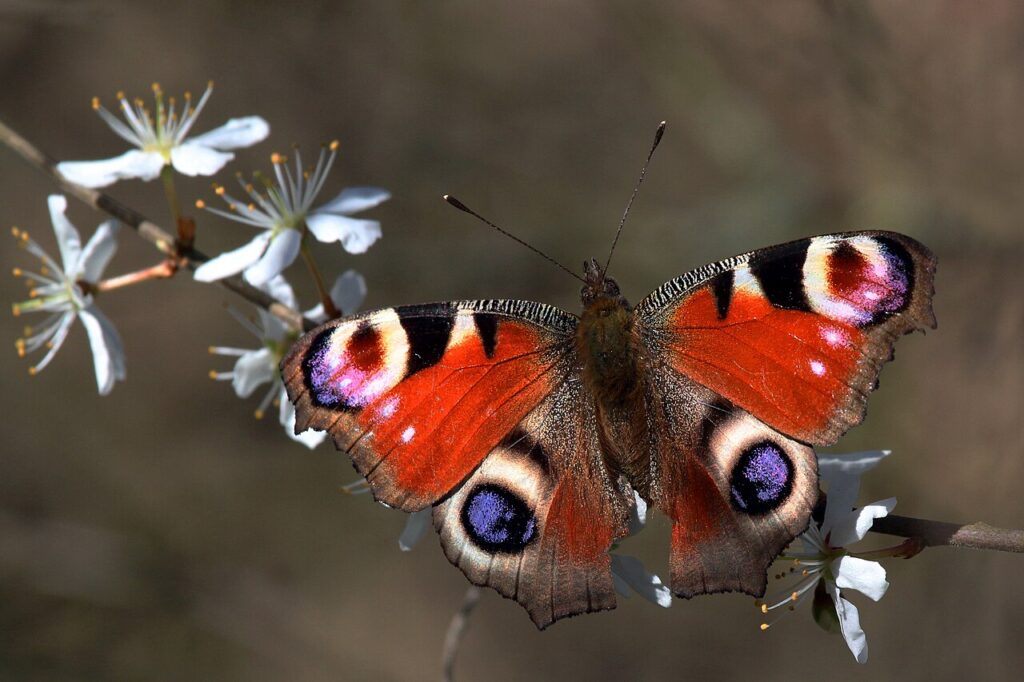
Walk into any trad session from Ennis to Enniskillen, and sooner or later you’ll hear it: the unmistakable lilt of ‘The Butterfly,’ a slip jig so light and buoyant it feels like the tune itself is dancing. Composed by Galway fiddler Tommy Potts in the 1960s, this relatively young tune has become one of the most beloved in the Irish traditional repertoire, captivating musicians and dancers alike with its graceful melody and infectious rhythm.
Unlike the sturdy 6/8 jigs that march through sessions with purpose, ‘The Butterfly’ moves in 9/8 time—the signature of the slip jig, a rhythm that seems to skip and float rather than step. It’s the tune that makes you understand why slip jigs were traditionally danced only by women in Irish dance competitions: there’s something delicate and weightless about the measure, something that demands elegance over force.
The Genius of Tommy Potts
Tommy Potts wasn’t your typical session fiddler. Born in Dublin in 1912, he was known for his experimental approach to traditional music, taking old tunes and reimagining them with complex variations and emotional depth. ‘The Butterfly’ emerged from this creative spirit—a completely original composition that somehow feels ancient, as if it had always existed in the tradition.
The tune’s two parts flutter and swoop like its namesake, with the first part establishing a gentle, rising melody and the second taking flight with more ornamented phrases. Potts recorded it in the 1960s and 1970s, but it didn’t gain widespread popularity until the 1980s and 1990s, when musicians like Frankie Gavin, Sharon Shannon, and Liz Carroll brought it to sessions worldwide.
Why Musicians Love It
Ask any fiddle player, flute player, or concertina player why they love ‘The Butterfly,’ and you’ll get the same answer: it’s pure joy to play. The tune sits perfectly under the fingers, flowing naturally across the instrument with melodic phrases that seem to breathe on their own. It’s challenging enough to showcase skill—those quick triplets and grace notes demand precision—but accessible enough for intermediate players to tackle with confidence.
The slip jig rhythm gives musicians room to add their own character. Some play it light and airy, others add a bit of swing, and the best players make it dance even when there’s no one on the floor. In sessions at Hughes’ Pub in Dublin or at the Willie Clancy Summer School in County Clare, you’ll hear a dozen different interpretations, each one honoring the tune while making it new.
It’s also a generous tune for harmony players. The chord progression is straightforward—moving primarily between D major and G major—allowing guitarists, bouzouki players, and pianists to support without overwhelming. And when two fiddles play it in harmony, weaving around each other like the wings of their namesake insect, it’s one of the most beautiful sounds in traditional music.
The Dance Connection
While ‘The Butterfly’ works brilliantly as a listening tune, it truly comes alive when dancers take the floor. Irish step dancers love it for the same reason musicians do: the 9/8 rhythm creates a flowing, almost hypnotic quality that allows for intricate footwork without feeling rushed. The tune gives dancers space to breathe between phrases, to add their own embellishments, to make the steps sing.
At a céilí in Galway or a fleadh in Mullingar, watch what happens when ‘The Butterfly’ starts. Chairs scrape back, hands reach for partners, and within bars the floor fills with dancers moving in that characteristic slip jig glide—light on the toes, almost floating. The tune has become a favorite for showcase performances too, where solo dancers use its gentle rise and fall to demonstrate both technical precision and artistic expression.
A Modern Classic
What makes ‘The Butterfly’ remarkable is how quickly it became traditional. Composed within living memory, it’s already treated with the same reverence as tunes that are centuries old. It appears in tune books alongside ‘The Irish Washerwoman’ and ‘The Kesh Jig.’ It’s taught to beginners as an essential part of the repertoire. It’s requested at sessions from Boston to Brisbane.
Part of this success comes from the tune’s perfect balance. It’s distinctive enough to be instantly recognizable—those first few notes and everyone knows what’s coming—but flexible enough to accommodate different styles and interpretations. It works as a slow air, a medium-paced session tune, or a fast showcase piece. It translates beautifully to every instrument in the tradition, from whistle to harp to uilleann pipes.
Tommy Potts gave Irish music a gift when he composed ‘The Butterfly,’ and the tradition has embraced it completely. In sessions across Ireland and around the world, this slip jig continues to make musicians smile, dancers move, and listeners understand why Irish music endures. It’s proof that tradition isn’t just about preserving the past—it’s about creating beauty that becomes timeless.
Love celebrating the music and moments that make Ireland special? Subscribe to the Ireland Moments newsletter for a daily dose of the Emerald Isle delivered to your inbox.