Walk into any trad session across Ireland, and sooner or later you’ll hear it: the unmistakable opening bars of ‘The Teetotaler,’ a reel so infectious it seems to pull musicians in by sheer force. Fiddles lean forward, flutes join in, and within seconds the tune has taken over the room. It’s not the flashiest reel in the tradition, but it might be the most reliable.
That’s the magic of ‘The Teetotaler.’ It’s a tune that works everywhere, with everyone, every time.
A Reel With Roots and Wings
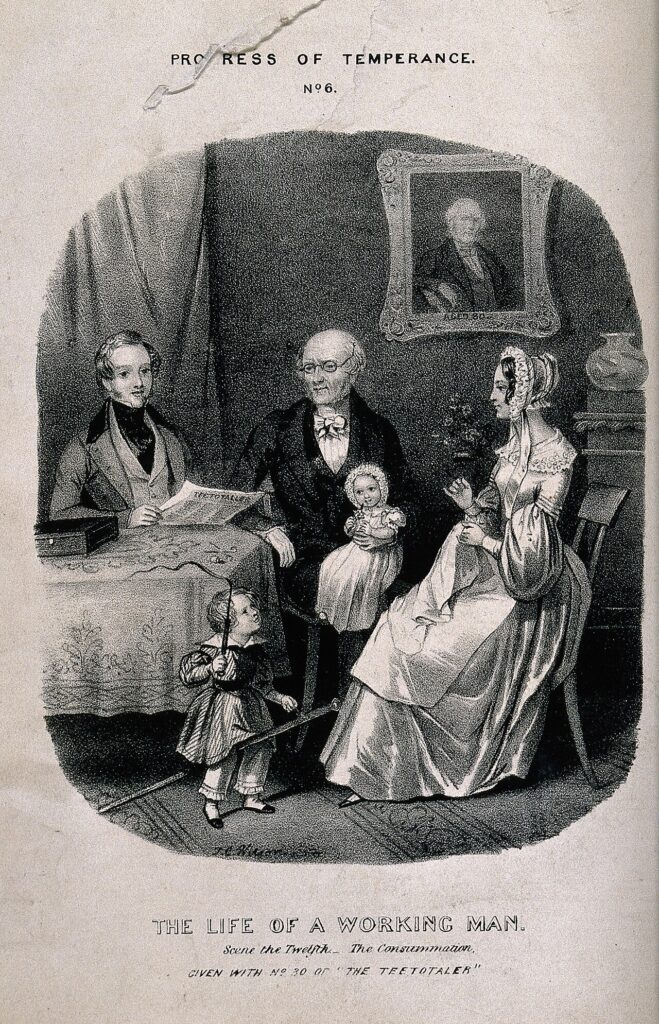
The name alone raises questions. Why ‘The Teetotaler’ for a tune most often heard in pubs? The title likely refers to the temperance movement that swept through Ireland in the 19th century, led by Father Theobald Mathew, who encouraged thousands to pledge abstinence from alcohol. Whether the tune was written in tribute, irony, or jest is lost to history, but the name stuck.
What’s certain is that ‘The Teetotaler’ became a session standard by the early 20th century, recorded by influential players and passed down through generations. It’s a tune that belongs to no single county or style—Clare fiddlers play it with drive, Sliabh Luachra musicians give it a lilt, and Donegal flute players bring out its brightness. Every region claims it, and every region is right.
Why It Works in Every Session
‘The Teetotaler’ is built for collaboration. The melody sits comfortably in the middle range, making it accessible to fiddles, flutes, whistles, accordions, and even uilleann pipes. The structure is clean and symmetrical—two eight-bar parts that repeat without surprises—so newcomers can pick it up quickly, while seasoned players can add rolls, cuts, and variations to taste.
It’s also forgiving. Miss a note, and the tune carries you forward. Jump in halfway through, and you’ll find your footing by the second time around. That generosity makes it a favorite among session leaders looking to bring a mixed group together, especially when visitors or beginners are in the circle.
The tune also has momentum. Once ‘The Teetotaler’ starts, it doesn’t want to stop. Players often pair it with reels like ‘The Boys of Malin’ or ‘The Skylark,’ building a set that can stretch for five or ten minutes, each tune feeding energy into the next. Dancers love it for the same reason—it’s steady, rhythmic, and impossible to resist.
From the Kitchen to the Concert Stage
You’ll hear ‘The Teetotaler’ in living rooms in County Clare, at fleadhs in Sligo, and on stages from the National Concert Hall in Dublin to folk festivals around the world. It’s been recorded by everyone from the Chieftains to younger ensembles pushing the tradition forward. Each version adds something—a different ornamentation, a shift in tempo, a pairing with an unexpected tune—but the core remains the same.
What makes it endure is its adaptability. ‘The Teetotaler’ sounds just as good played slowly by a beginner learning their first reel as it does at full speed in the hands of a master. It doesn’t demand technical wizardry, but it rewards musicality. A well-placed triplet, a subtle shift in dynamics, or a perfectly timed pause can turn a familiar tune into something fresh.
For learners, ‘The Teetotaler’ is often one of the first reels committed to memory, right alongside ‘The Wind That Shakes the Barley’ or ‘The Silver Spear.’ It’s a rite of passage, a tune that signals you’re ready to sit in and hold your own.
Why It Still Matters
In a tradition as deep and varied as Irish music, certain tunes become touchstones. They’re the ones everyone knows, the ones that connect players across generations, geographies, and skill levels. ‘The Teetotaler’ is one of those tunes. It doesn’t need a backstory or a tragic legend to justify its place in the repertoire—it earns it every time someone picks up an instrument and starts to play.
Whether you’re tapping your foot in a Galway pub, learning your first reel on a tin whistle, or dancing at a céilí in Kerry, ‘The Teetotaler’ is there, steady and spirited, doing what it’s always done: bringing people together through music.
Love celebrating the tunes, traditions, and moments that make Ireland unforgettable? Subscribe to the Ireland Moments newsletter and get a daily dose of the Emerald Isle delivered to your inbox.