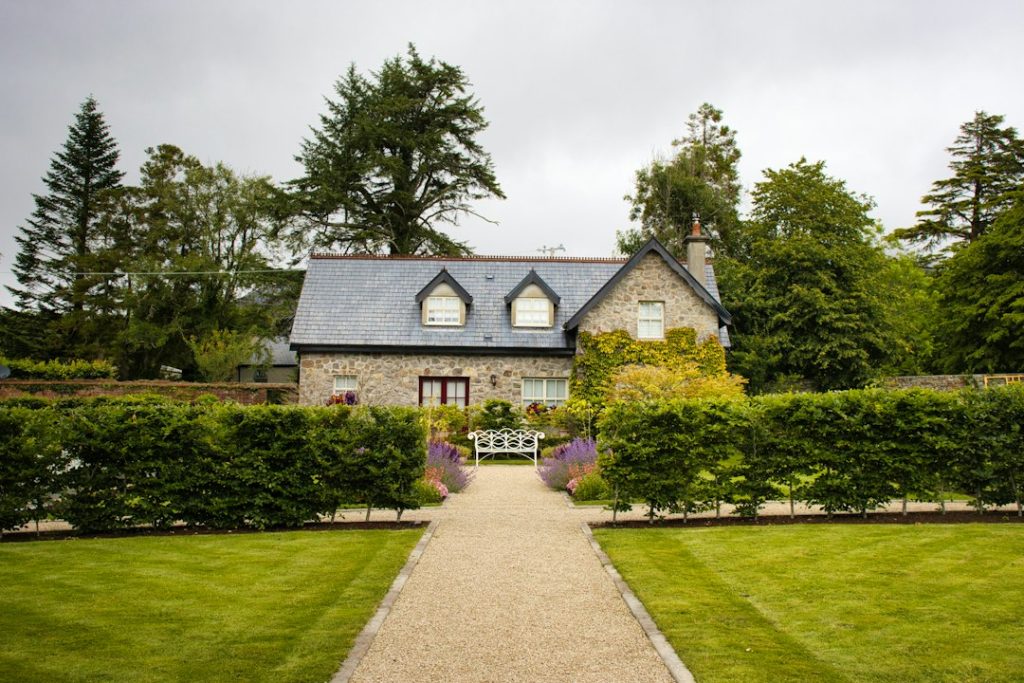
Walk down any country lane in Ireland and you’ll find them: cottage gardens spilling over low stone walls, a riot of color and texture that looks wild but isn’t quite. These gardens are as Irish as a good session or a perfectly poured pint, and they tell a story about how people have lived on this land for centuries.
Unlike the manicured formal gardens of grand estates, the Irish cottage garden is about abundance, practicality, and a deep respect for what grows well in Ireland’s mild, wet climate. These are gardens that feed you, heal you, and welcome you home.
The Plants That Define the Irish Cottage Garden
The backbone of any Irish cottage garden is the fuchsia. In the west especially, fuchsia hedges line roads and gardens, their red and purple flowers drooping like tiny bells from midsummer through autumn. Originally from South America, fuchsias took to Ireland’s mild, damp climate like they were meant for it, and they’ve become as Irish as anything native.
Alongside the fuchsia, you’ll find foxgloves standing tall in dappled shade, hollyhocks leaning against whitewashed walls, and wild roses scrambling over stone. Honeysuckle tangles through hedgerows, filling June evenings with its scent. Montbretia, with its bright orange blooms, spreads enthusiastically along roadsides and garden edges throughout the summer months.
But cottage gardens weren’t just about beauty. They were working gardens. Rhubarb grew in shaded corners for tarts and crumbles. Potatoes, cabbages, and kale filled practical beds. Herbs like thyme, mint, and parsley clustered near the door for easy picking. Apple trees provided fruit for eating fresh and storing through winter.
The Design Philosophy: Organized Chaos
There’s no formal plan to a cottage garden, but there is logic. Taller plants shelter smaller ones. Perennials return year after year with little fuss. Annuals like calendula and nasturtiums self-seed freely, popping up in unexpected places and filling gaps.
Paths are simple: flagstones or packed earth, worn smooth by use. Borders are defined by whatever’s at hand—stones cleared from fields, old timbers, or nothing at all. The garden edge blurs into the landscape, with cultivated plants mingling with wildflowers and native grasses.
This informal design works with Ireland’s weather, not against it. Heavy rains don’t destroy rigid layouts. Plants support each other through Atlantic gales. The garden adapts and persists, just like the people who tend it.
Where to See Irish Cottage Gardens Today
Some of the best examples of traditional cottage gardens survive in villages across rural Ireland. In places like Adare in County Limerick, thatched cottages still front gardens thick with traditional plantings. The village of Cong in County Mayo, where stone cottages date back centuries, maintains cottage gardens that would look familiar to gardeners from generations past.
Bunratty Folk Park in County Clare recreates traditional Irish village life, complete with authentic cottage gardens showing what would have grown in the 19th and early 20th centuries. It’s a living museum where you can see the full range of practical and ornamental plants working together.
In Connemara and throughout the west, many working cottages still maintain traditional gardens. Drive through villages like Roundstone or Leenaun and you’ll see gardens that haven’t changed much in purpose or style for a hundred years.
Bringing the Irish Cottage Garden Home
You don’t need to live in Ireland to grow an Irish cottage garden. The principles work anywhere: choose plants suited to your climate, mix beauty with practicality, let things self-seed and spread a bit, and don’t worry about perfection.
Start with plants that thrive without fuss. In cooler climates, try hardy geraniums, lady’s mantle, and catmint. Add herbs you’ll actually use. Plant roses that can take care of themselves. If your climate allows, fuchsias make spectacular container plants even where they won’t survive winter in the ground.
The spirit of the Irish cottage garden is about abundance without pretension, beauty that serves a purpose, and a connection to the rhythms of the seasons. It’s a garden that welcomes you in, offers you something useful, and never demands more than you can give.
Want more stories about Irish traditions, places, and culture delivered to your inbox each day? Subscribe to the Ireland Moments newsletter—a daily celebration of Ireland.