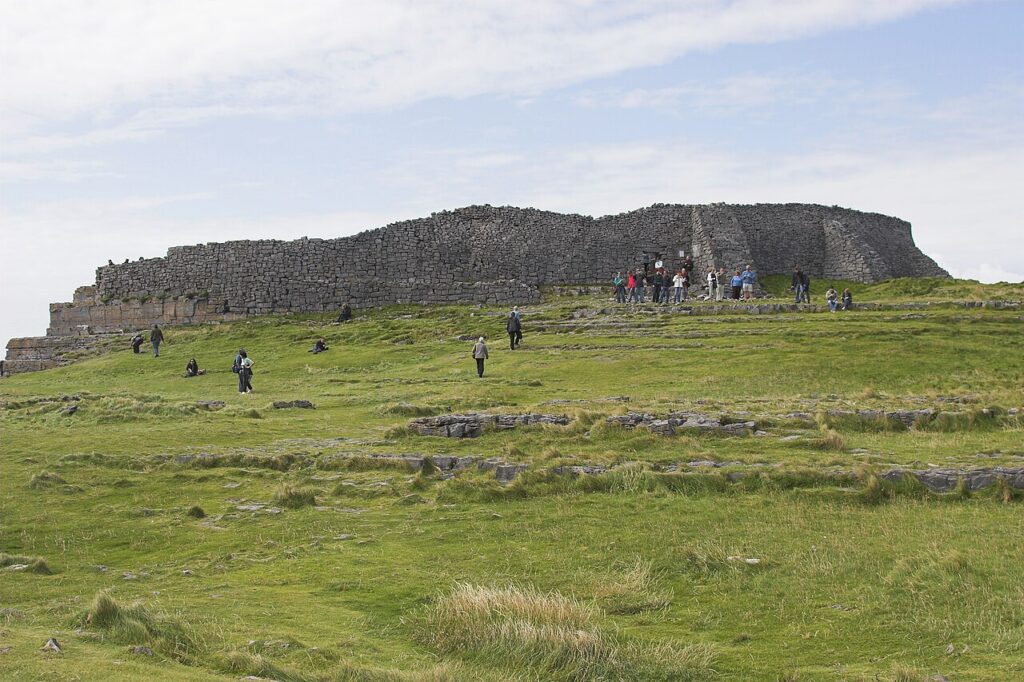
Why the Dún Aonghasa Fort Commands Aran’s Ancient Edge
Perched 300 feet above the Atlantic on Inishmore, this prehistoric stone fort has guarded the edge of Ireland for three thousand years—and the view alone is worth the climb.
Perched 300 feet above the Atlantic on Inishmore, this prehistoric stone fort has guarded the edge of Ireland for three thousand years—and the view alone is worth the climb.
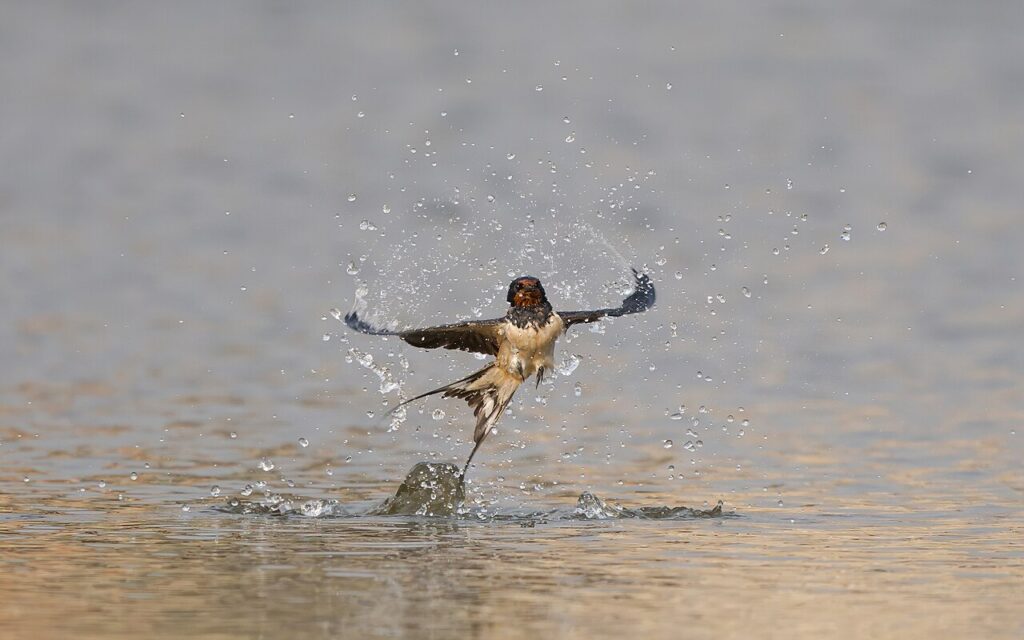
Fast, wild, and endlessly varied, ‘The Swallow’s Tail’ is the Irish reel that tests every musician and electrifies every session. Here’s why this tune has become a session standard from Doolin to Boston.
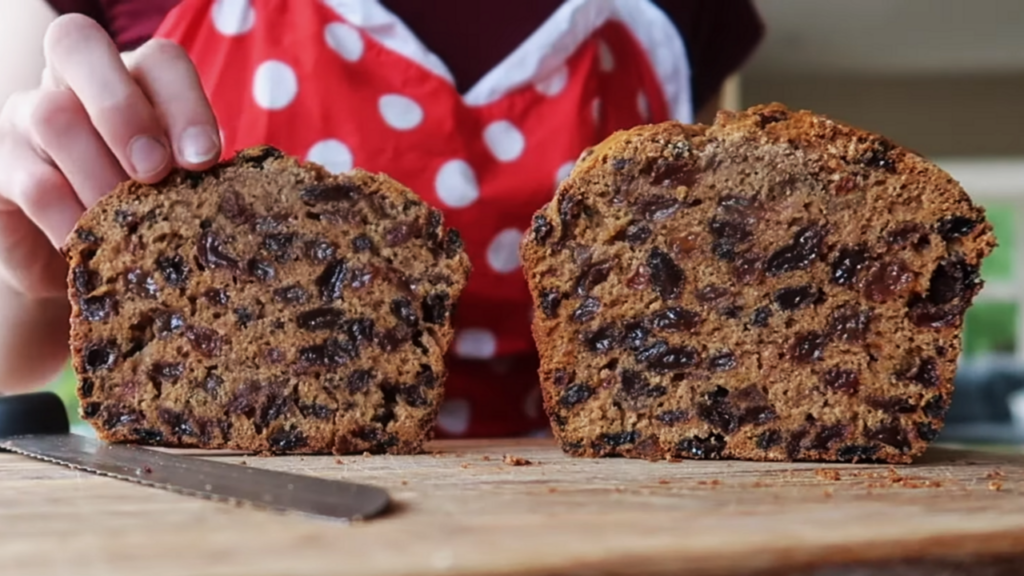
This sweet, spiced bread soaked in tea isn’t just a teatime treat—it’s Ireland’s traditional fortune-telling cake, baked with tokens that predict the year ahead.
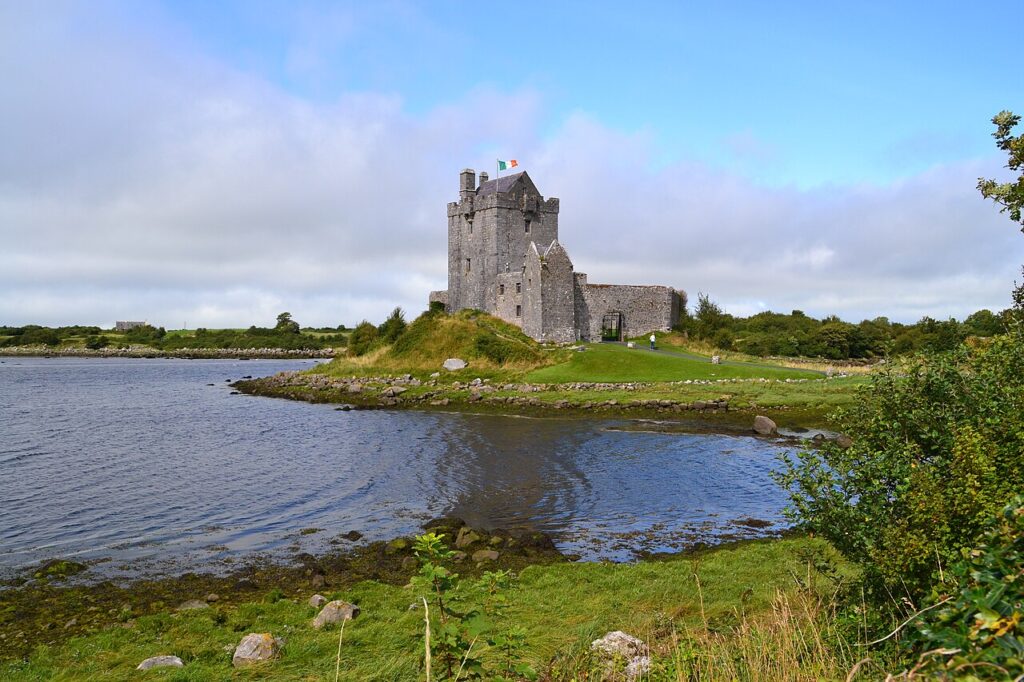
Standing on the edge of Kinvara harbor, this 16th-century tower house has watched over Galway Bay for 500 years — and it still stops traffic on the Wild Atlantic Way.
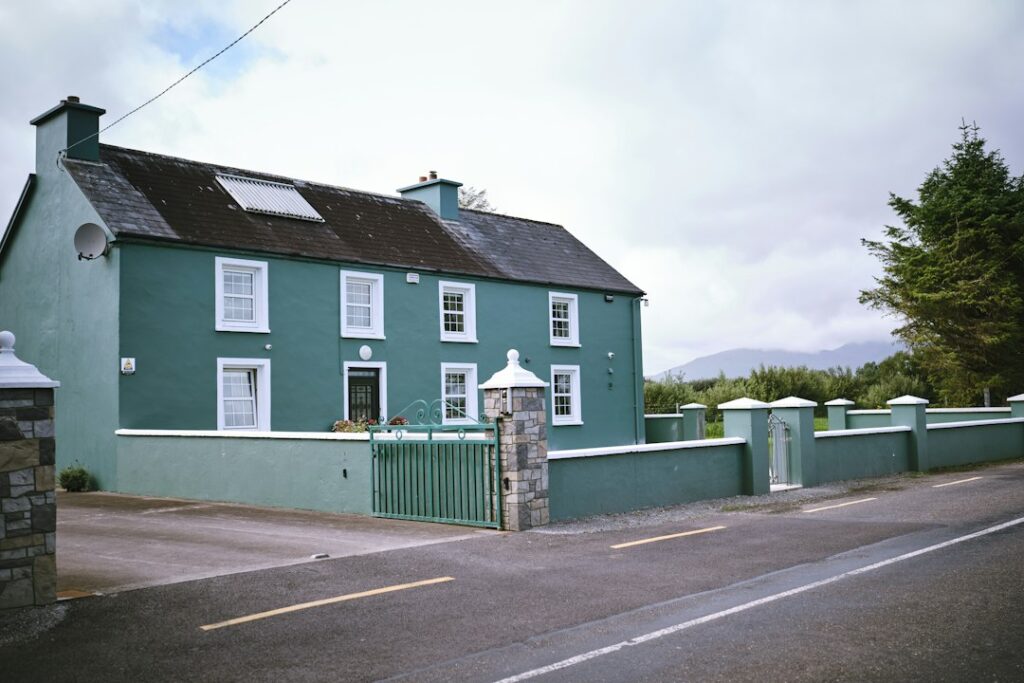
In the village of Meenaleck, Leo’s Tavern stands as the pub that raised Enya, Clannad, and generations of musicians in a tradition that turned a family kitchen into Ireland’s most famous musical legacy.
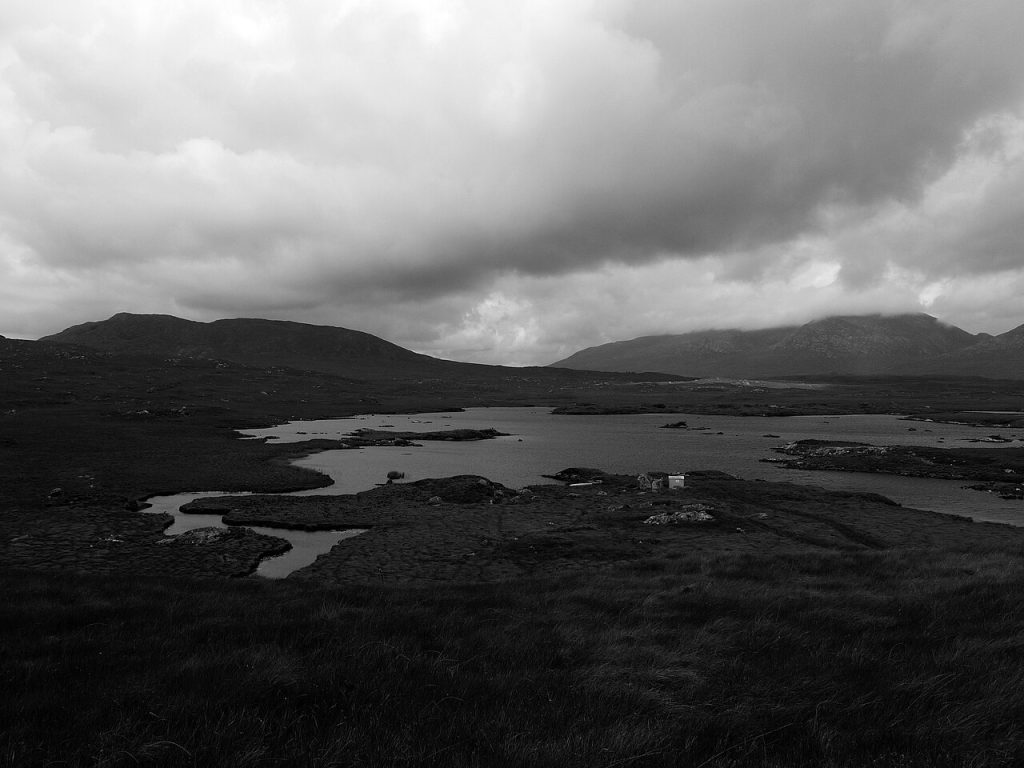
This coastal village west of Galway offers Irish language, craft markets, traditional music, and the kind of welcome that makes you want to stay longer than planned.
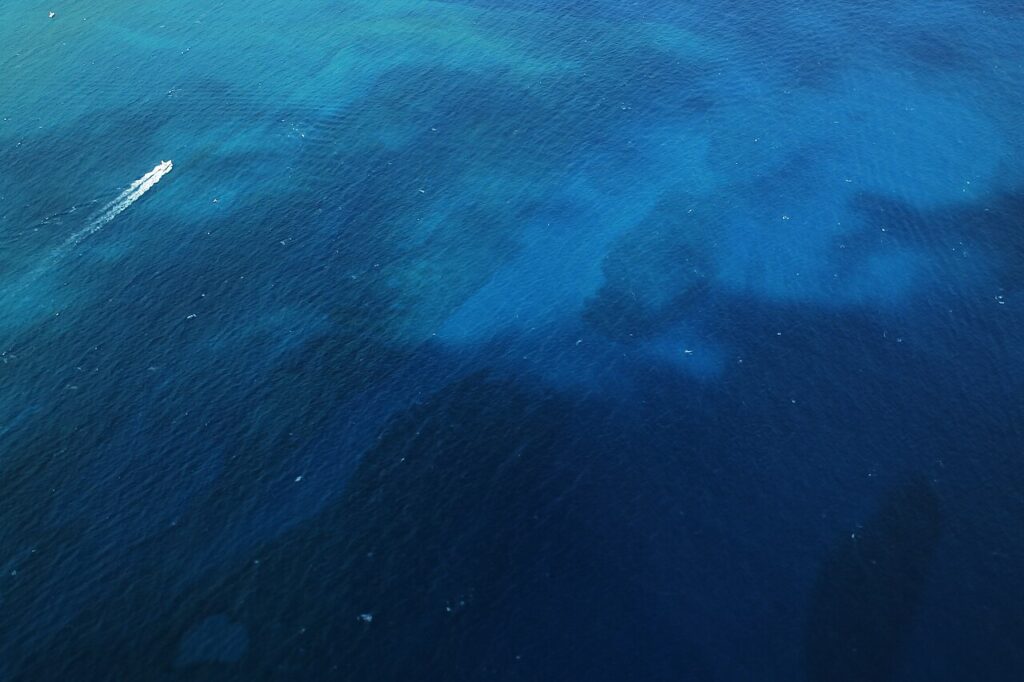
Connected to Mayo by bridge but feeling worlds apart, Achill Island offers dramatic cliffs, deserted beaches, ancient villages, and some of the most breathtaking coastal scenery on the Wild Atlantic Way.
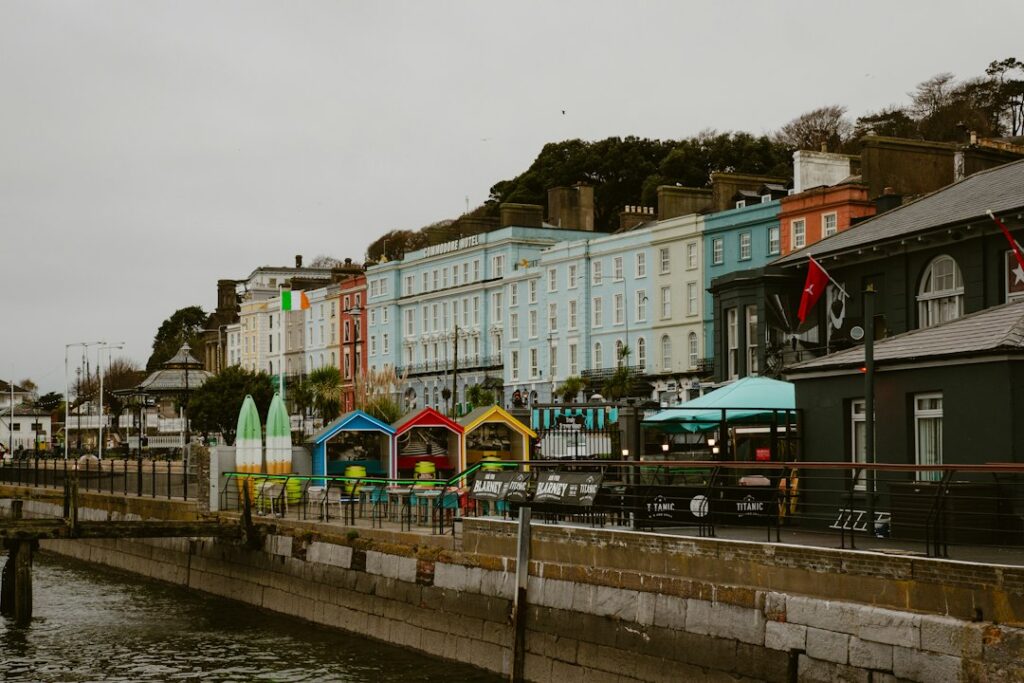
Perched on Cork’s harbor, Cobh is where Ireland’s story of emigration, tragedy, and hope comes alive. From the last port of the Titanic to the colorful rows that welcomed ships home, this is the town that watched the world sail away.
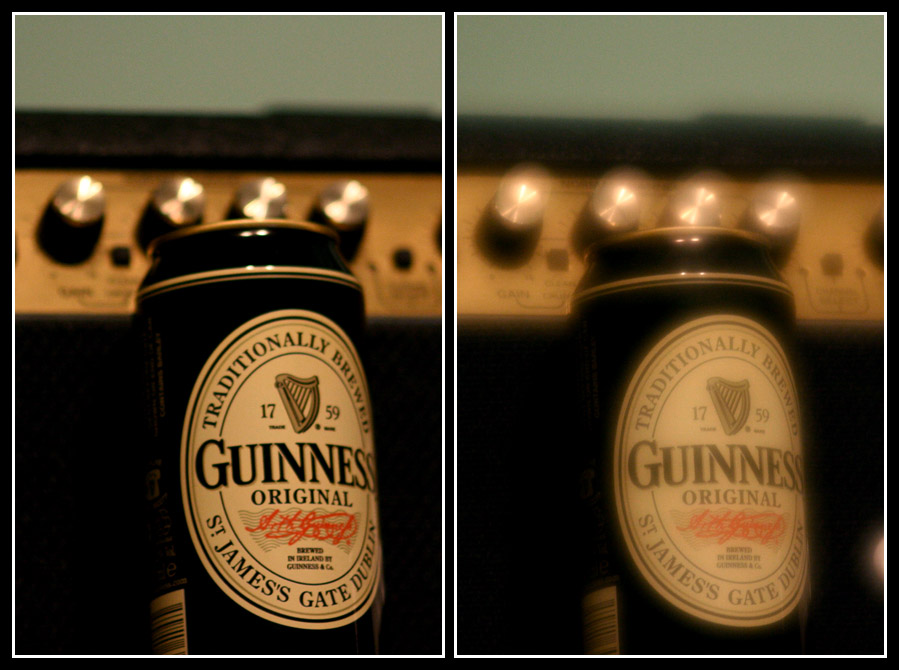
Rich, dark, and deeply satisfying, Guinness stew transforms Ireland’s most famous brew into a one-pot masterpiece that warms body and soul.
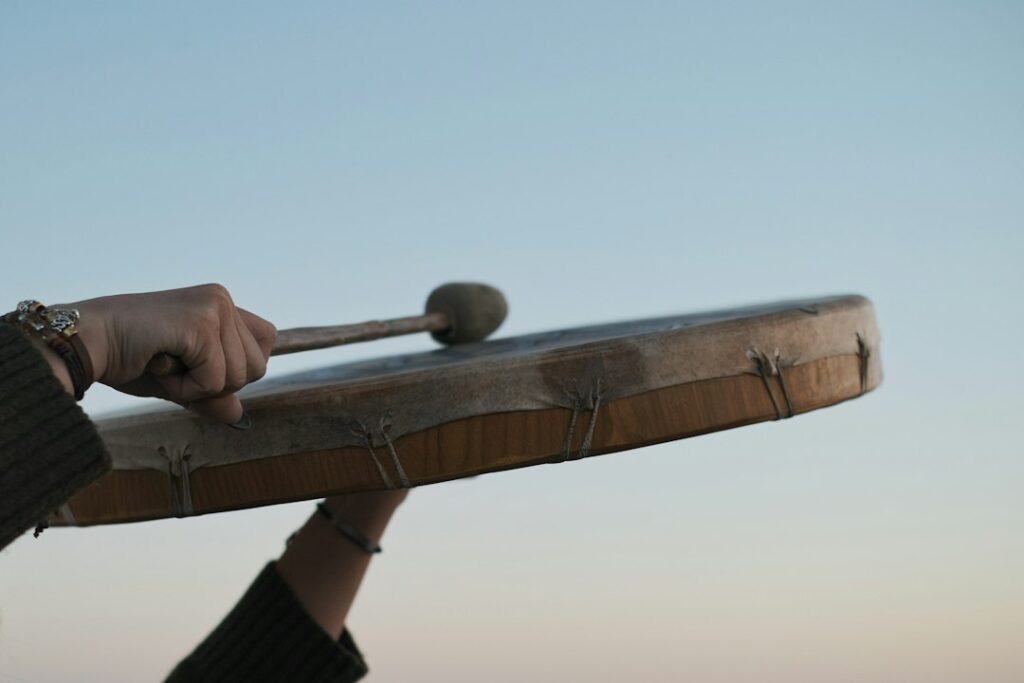
The bodhran may look simple—a wooden frame and goatskin head—but in the right hands, this ancient drum becomes the pulse that drives every reel, jig, and song forward. Here’s why Ireland’s native drum is irreplaceable.